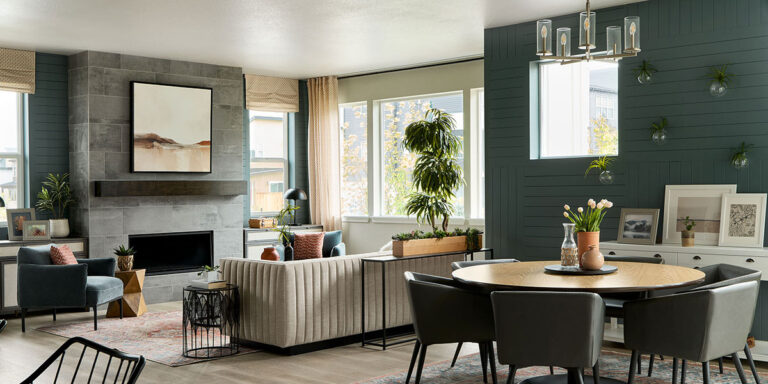
Home buyer preferences are evolving, and they want production homes to be designed differently for more meaningful living.
John Burns Research & Consulting hosts an annual New Home Trends Summit to explore current and emerging residential architecture and design. During the 2024 event in Denver, KGA’s Travis Hendrix and Unscripted Interiors Principal Kate Pourhassanian led a presentation exploring the connection between custom and production home design. They identified several design features of custom homes and explored ways production builders can include them in their house plans.
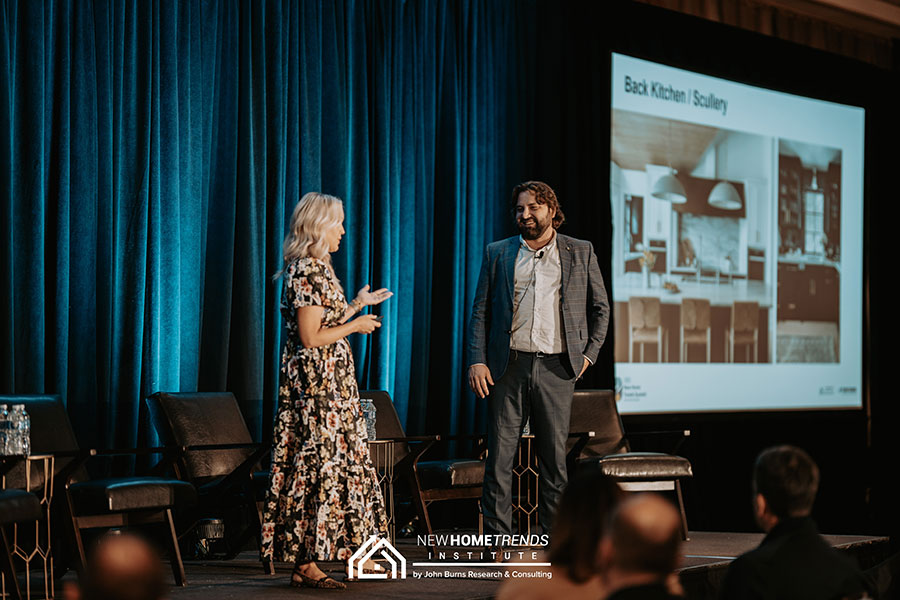
The key takeaway? Good design brings value. Here’s a recap of their discussion with expert recommendations on how to create meaningful and memorable homes.
Table of Contents
- Meaningful Design
- Purposeful Space
- The Kitchen Still Sells
- Transitional and Authentic Design
- Emphasis on Functional Spaces
- Creative Storage Solutions
- Getaway and Multifunctional Spaces
- Health and Wellness
- Create Custom-Inspired Experiences in Production Homes
Meaningful Design
Buyers want to feel good about their homes and to feel good about themselves in their homes. They are increasingly in tune with the emotional experience of architecture and home design.
It’s also worth mentioning how household makeup is redefining meaningful design. The latest demographics report from the National Association of Realtors highlights that 70% of last year’s married homebuyers did not have children under age 18 living in the household. This number is the highest ever recorded since the report’s inception. As a result, programming has shifted as these buyers search for homes that are more tailored to their specific needs.
Purposeful Space
Buyers still want adequate space for their household and lifestyle, but there’s less emphasis on size and status, with more focus on how the space is used. “Buyers know what they like, but they don’t always know why they like it,” says Pourhassanian. “As industry professionals, we can pay attention to these rhythms and trends and translate them to any price point, market, and buyer.”
Purposeful spaces address architecture, floorplan, features, and materials to evoke warmth and comfort. Circulation, flow, space planning, and layout affect how a home lives and breathes. When these are done well, size can often become less of a priority.

The Kitchen Still Sells
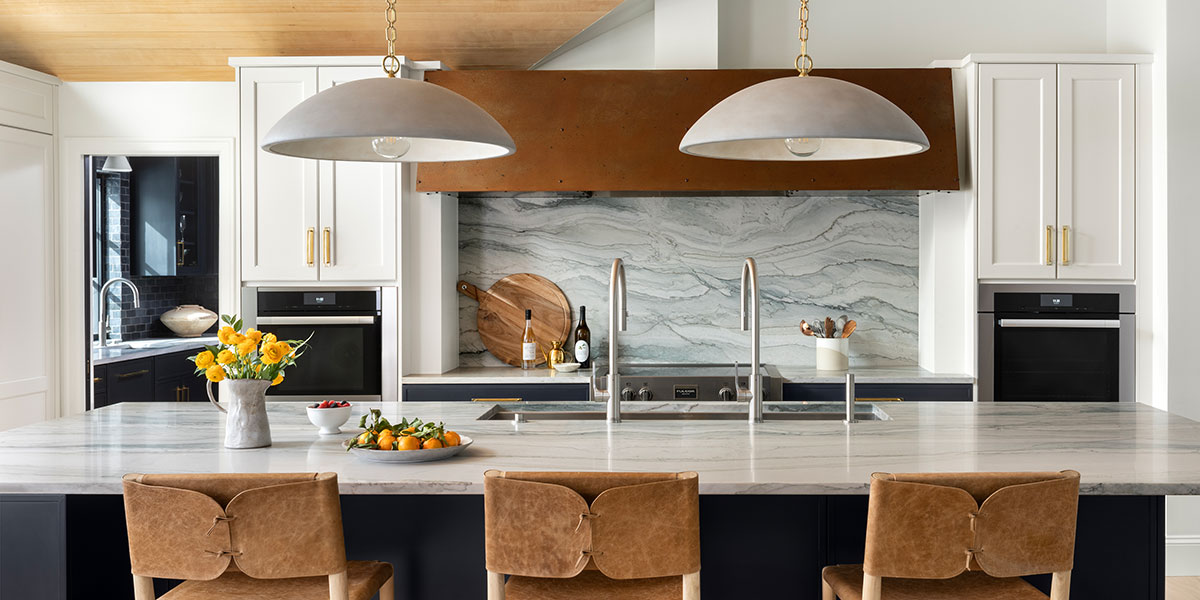
The kitchen is still one of the most important rooms of the house, but it’s evolving. Sculleries or back kitchens are popular in custom homes and are gaining traction in remodels. Their functional and clutter-reduction benefits have taken them mainstream, but they can be tricky to include in production homes.


“Buyers want walk-in pantries and back kitchens. Clever design can combine both to serve both purposes,” says Hendrix. Here are a few ways to achieve the same functionality without sacrificing essential square footage from the dining and living rooms:
- Pick the right spot. Tuck a small back kitchen behind a wall to keep it out of sight from the main kitchen and living areas. Shift some counter space from the kitchen to the scullery space to keep messes out of sight.
- Consider an alternative prevalent in remodeled homes that combines the pantry and scullery into a single multi-purpose space.
- Keep it small, like nestled along a back hallway connecting the kitchen and dining room.
- Maximize storage potential. Install upper and lower cabinets deep enough to fit small appliances. A wine chiller would work well as an optional feature. Counter space should accommodate minor prep work.
Transitional and Authentic Design
Our brains are hardwired to recognize certain shapes and forms that make us feel comfortable and secure. That’s why timeless design principles are timeless—they eclipse trends and are pleasing to the eye. They also impact our mental and emotional well-being. Architecture and interiors that incorporate timeless design are linked to increased serotonin release (the brain’s happiness chemicals). They also trigger our parasympathetic nervous system, which is responsible for creating a feeling of calm, relaxation, and comfort.
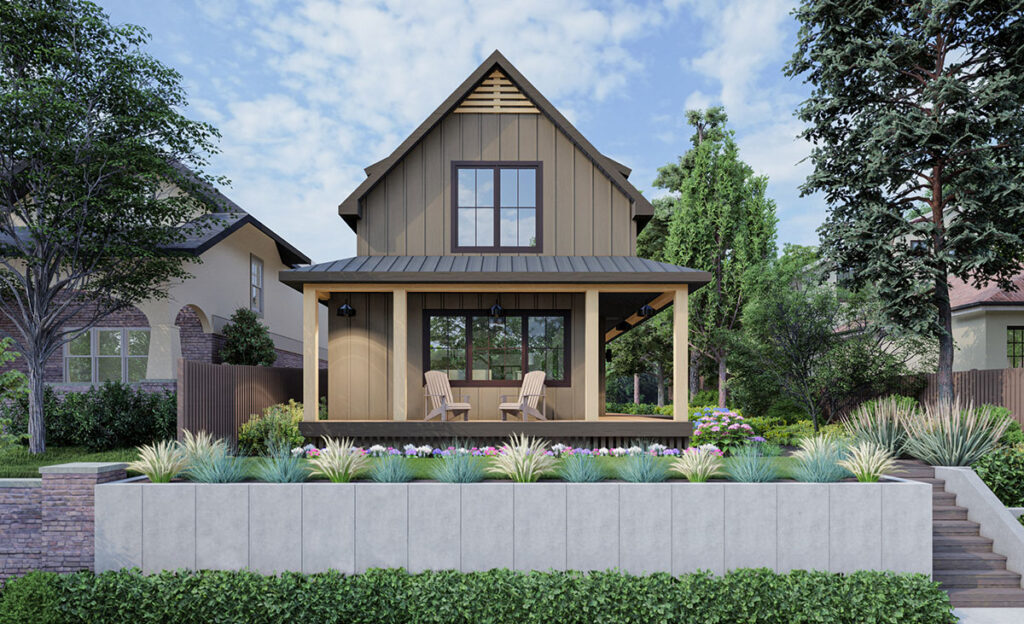
Tying this back to residential architecture and design, transitional style blends the “feel-good” aspects of timeless design with contemporary features. Composition, forms, materials, colors, and furnishings don’t feel cookie-cutter and reflect home buyers’ personalities. Authentic design also emphasizes elements that make sense and are visually pleasing, like balanced proportions, right-sized shutters, or porch railings for definition.
Emphasis on Functional Spaces
Front-of-house and back-of-house functionality are key components of custom home design that deserve consideration in production homes. “It’s about creating a sense of arrival, a sense of location, and a sense of special and customized spaces,” says Pourhassanian.
Clutter is a source of stress for home buyers. They want spaces that help them live more comfortably and with greater flexibility. Transitional and task-oriented spaces like mudrooms, laundry rooms, and pantries are opportunities to keep sightlines open. The placement of these spaces is as important as how they lay out and function.


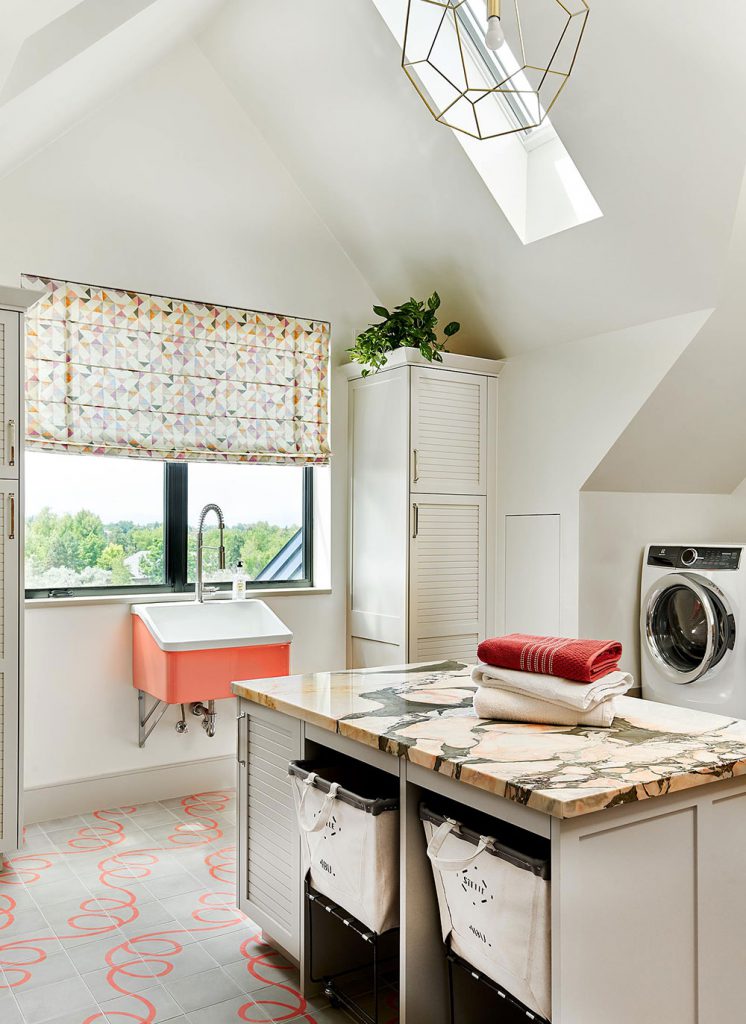
Give buyers visibility into how these areas can reflect their interests and lifestyle. “Be conscious of where you’re building and who you’re building for,” says Pourhassanian. Make buyers feel like you’ve thought of the details that make their lives better.
If possible, make mudrooms standard and option them with a dog washing station or a drop zone for sports equipment. In laundry rooms, offer a built-in pocket home office or hobby station to add more flexibility to the space.
Creative Storage Solutions
Social media and marketing made high-end storage solutions mainstream. As a result, homes with ample and appealing storage are now the expectation. It also makes financial sense. “One in five Americans rent a self-storage unit, so that expense can be eliminated by building adequate storage into a home,” says Hendrix.

Buyers want to keep the things that matter to them and the necessary space to store them properly. What your home plans’ storage looks like (location, layout, amount) will differ depending on a variety of factors. However, adequate storage that meets the expectations of your target markets is essential.
Getaway and Multifunctional Spaces
In-home retreats are opportunities to enjoy a “room of one’s own” away from the daily routine. Separate from the home’s main living areas and private, these spaces encourage buyers to let their hair down and do their own thing, whatever that thing may be. And flexibility sells.
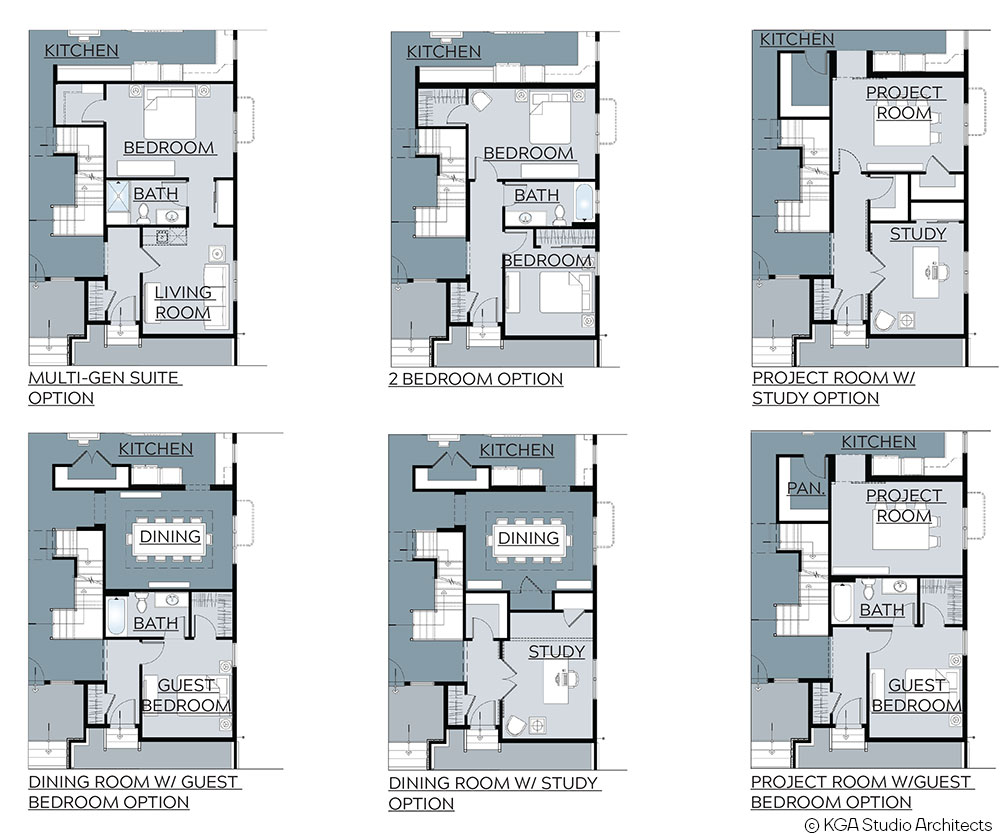
The floorplan variations above show how the same square footage can be configured to accommodate different purposes. Give buyers a choice and the ability to customize, whether it’s a studio, gym, office, or hobby space. Getaway-style outbuildings like man caves and she-sheds provide a self-contained retreat detached from the primary dwelling.
Health and Wellness
Interaction with the natural environment boosts feelings of contentment and wellbeing. Grounded in neuroaesthetics, buyers are intrinsically drawn to the shapes, forms, and features of the outdoors. Builders can distinguish homes by integrating elements that connect to the outdoors and promote wellness:
- Increased natural light through home orientation, layout, and window and door size and placement
- Biophilic design principles
- Easy access to outdoor living areas
- Meditation spaces
- Emphasis on natural materials

Create Custom-Inspired Experiences in Production Homes
Buyers continue to raise the bar in their product home design expectations. Good design and attainability are possible.
Production home builders can take a page from the custom home design playbook and value engineer popular high-end features for their communities. An experienced architectural team can help evaluate programming and prioritize design features that consider community, buyer profiles, and pricing.
Contact us to learn more about how our architectural design process can help you create your next great home plan.