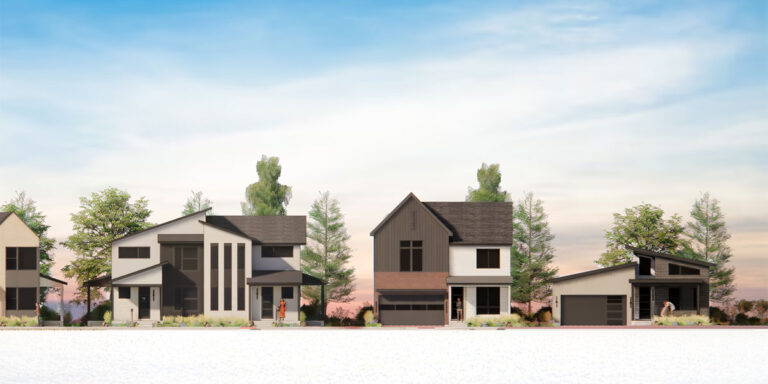
Design is more important than ever in new homes and communities. Homebuyers are more aware of how design impacts their sense of well-being and belonging, and how homes adapt to climate and environmental conditions.
Buyers’ needs and lifestyles have changed over the past few years, and architecture and design must meet them where they are and exceed their expectations to get them off the sidelines and into community sales offices.
Let’s take a look at what design trends will influence homebuilding this year.
Table of Contents
10 Architecture Trends You’ll See in 2025
Before we jump in, a quick word about home design trends. We’re using the term loosely here—what we’re talking about reflects evolutions rather than a trendy feature that will fade after a year or two.
Buyer preferences are more nuanced and refined than they were several years ago, when there was an emphasis on more space, more square footage, and more of everything. These design movements represent holistic changes in how homebuyers want their homes to serve them, often in highly personal and meaningful ways.
1. Authentic and Timeless Design
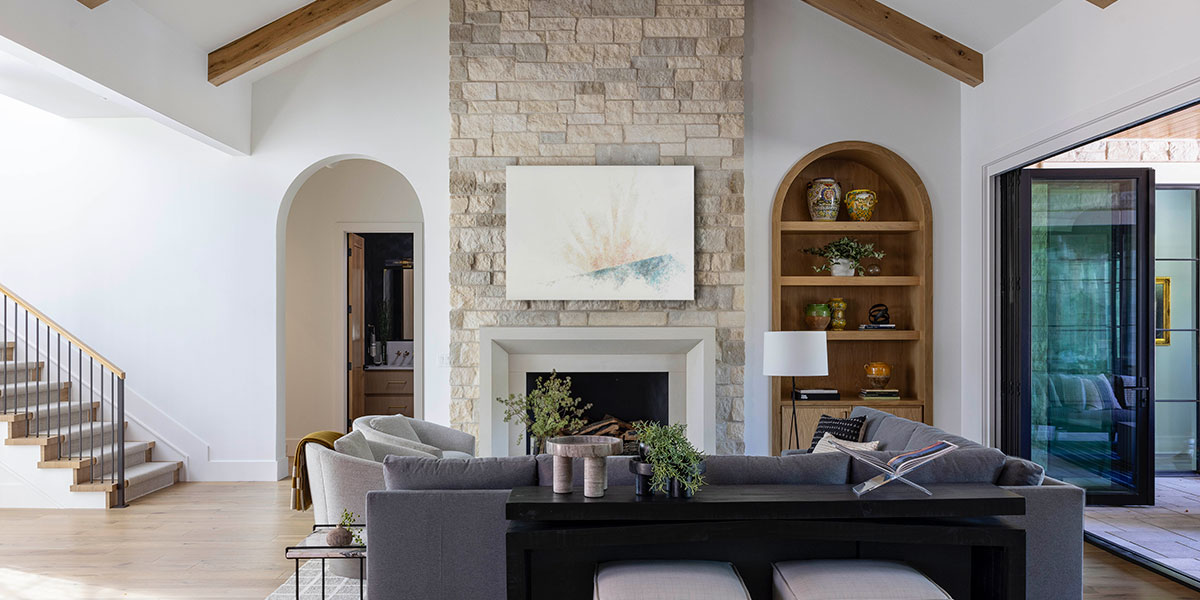
What’s old is new in architecture and design, but in refreshed ways. As homebuyers look to the past for timeless and authentic inspiration, more elevations featuring transitional design can effectively balance traditional forms with modern elements.
Hard lines and edges are getting softer and less angular. Curved shapes are blending into elevations and interiors, from exterior doors and windows to cabinets, furnishings, and arched interior elements such as doorways and built-ins.
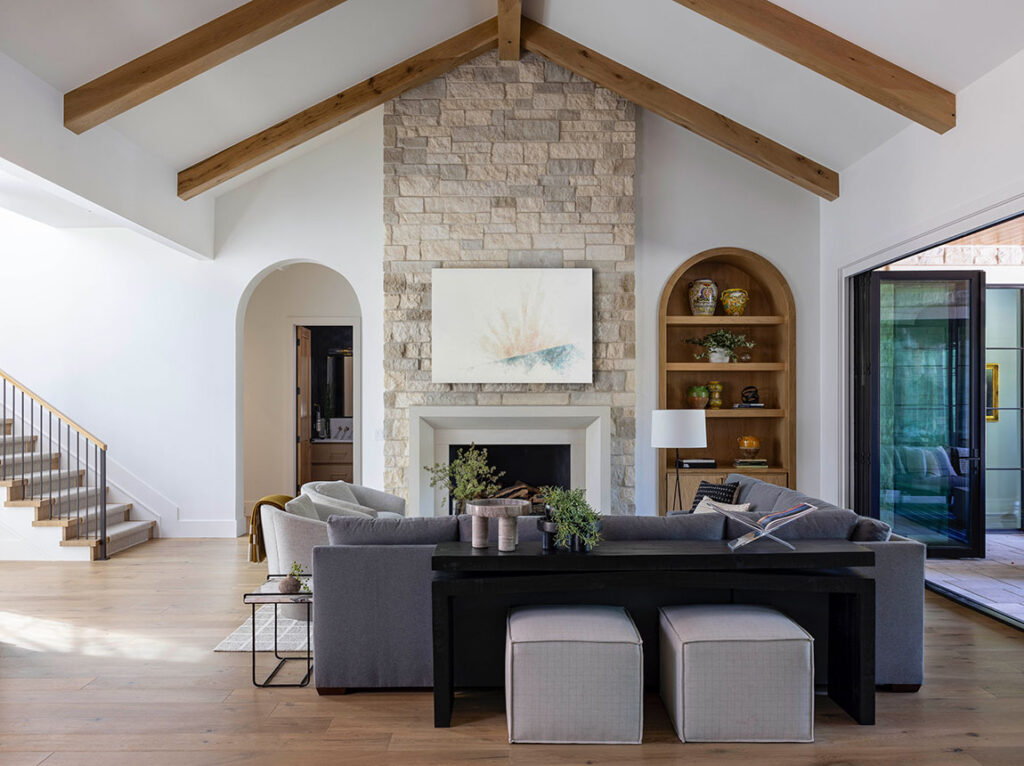
Architecture is also becoming more authentic and localized by integrating vernacular design in plans and neighborhoods to create distinction. Shutters in coastal communities, adobe-style exteriors in Santa Fe, and Dutch colonial homes in the Northeast are a few examples of styles influenced by regional cultures, climates, and materials.
2. Right-Sizing and Personalizing
Home size remains on the larger end of the spectrum for affluent and custom home buyers, while entry-level and attainable homes are getting smaller in response to market conditions.
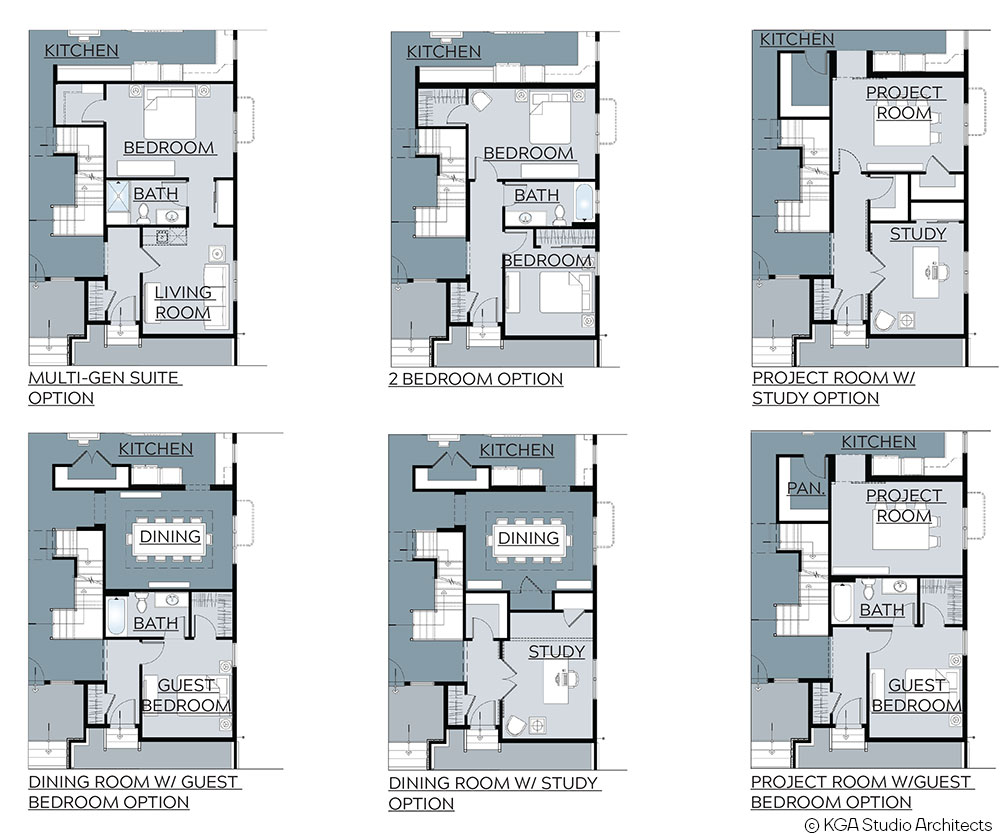
What both buyer segments have in common is their desire to craft homes that tell their unique stories. Today’s buyers want their homes to use space efficiently with memorable details and standout “I’ve gotta have this” features. Semi-custom and production homes that offer personalized options and exceptional buying experiences can capture these buyers who desire a custom home-inspired home at a lower price point.
3. Housing Diversity
Thinking beyond single-family homes to more diverse housing options will appeal to a wider range of buyers with different needs, goals, and budgets. Townhomes, paired homes or duplexes, triplexes, and patio homes are a few examples that offer differentiation and choices to accommodate more lifestyle and budget considerations.


4. ADUs and Multi-Generational Options
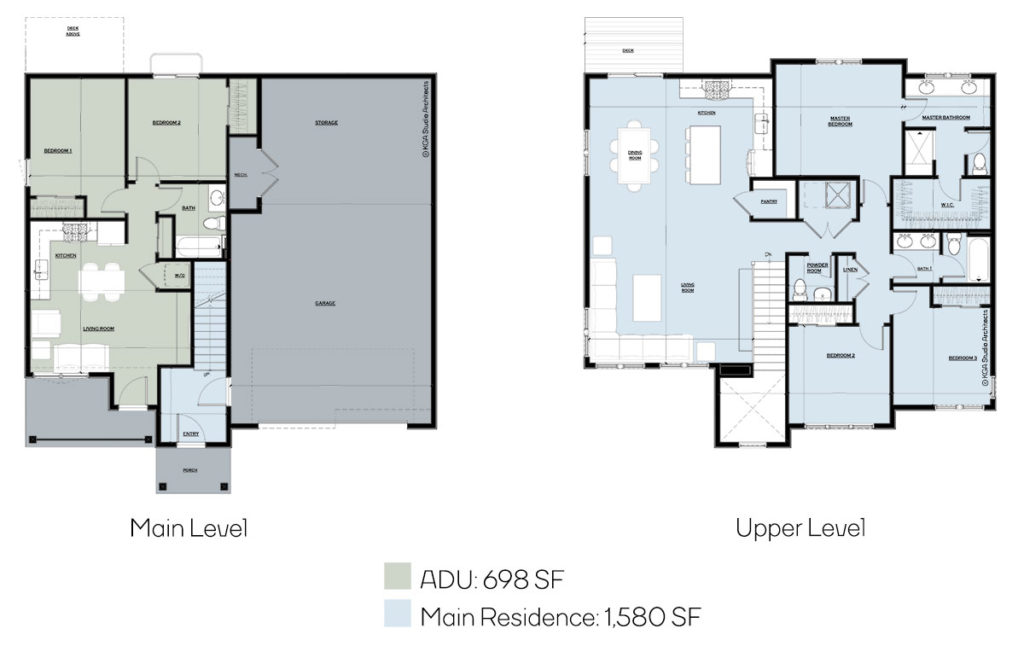
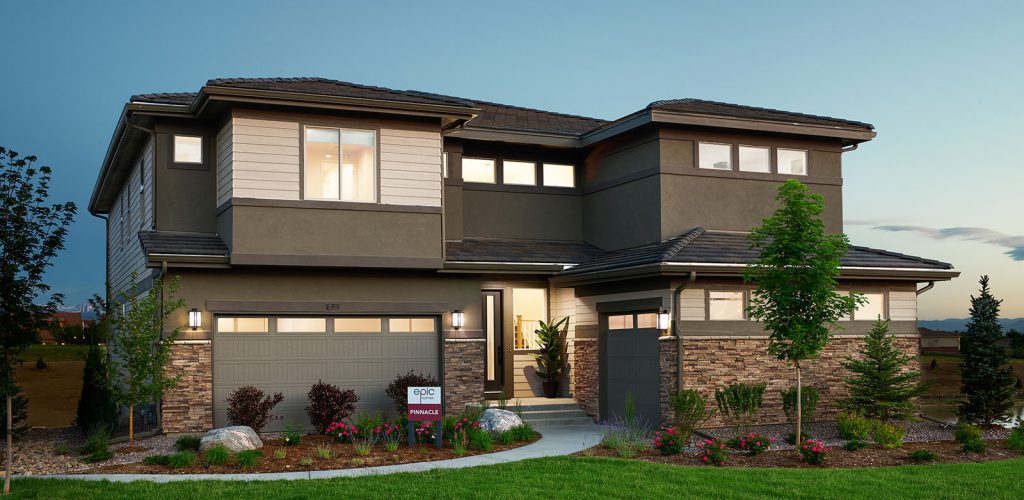
Interest in ADUs and multi-generational living continues to increase as families care for aging relatives, welcome adult children back home, or look for supplemental income sources. With more cities (Denver included) allowing ADUs in all residential areas, the number of ADUs is on the rise. Multi-gen housing options include:
- Multi-generational suites inside the primary residence
- Freestanding accessory dwelling units (ADUs)
- Semi-custom home plans with an ADU option
- Finished basements with a private entry
- Age-targeted neighborhoods within master-planned communities
5. Resilient Design
Homebuyers in regions with severe weather or that are vulnerable to natural disasters need their homes to better adapt to these damaging events. Resilient design principles, both in site planning and architecture, can help mitigate significant damage, reduce repair costs, and prevent families’ displacement. Renewable energy generation reduces dependence on the electrical grid and fossil fuels, so EV-ready homes and solar panels may also be on homebuyer’s wish lists.
6. Expanding Kitchen Functions
Kitchens are the ever-expanding multi-functional spaces in the home as they accommodate more activities.
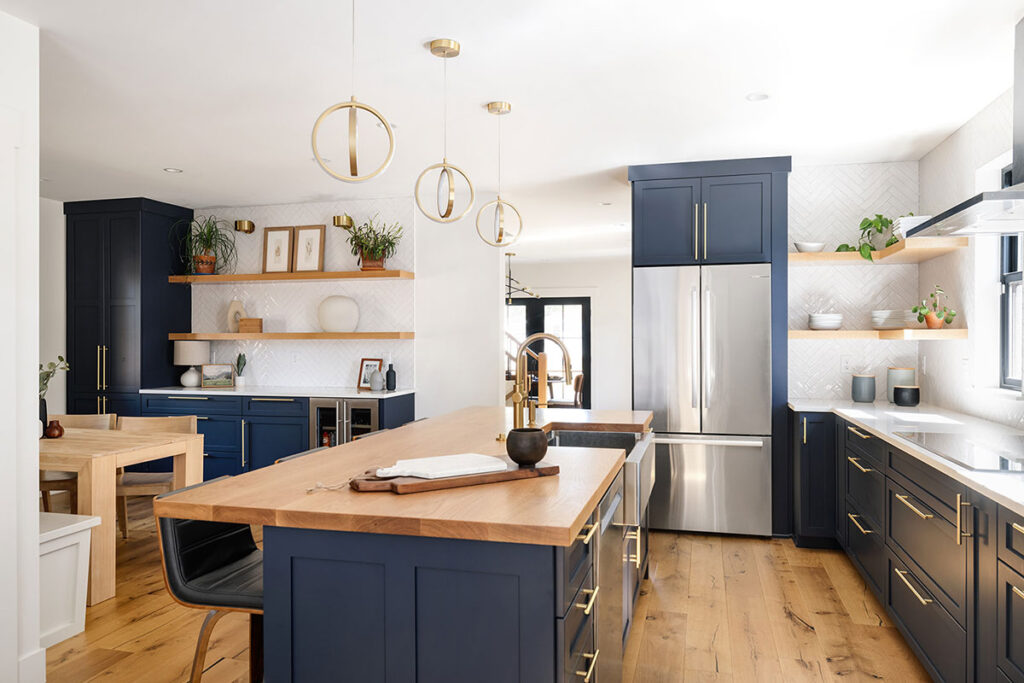
Expect to see more design and functionality in kitchens, from custom to production homes. Buyers are influenced by custom home inspired specialty zones to create moments, memories, and rituals, like oversized kitchen islands, back kitchens for prep and storage, mini bars, wine storage, and coffee stations.

7. Natural Connections
Homes that establish meaningful connections to the natural world will maintain their appeal. This could take different forms, as regional and market considerations influence what this looks like in a community and home plan collection. Nature-inspired design considerations include:
- Biophilic design
- Earthy color palettes
- More masonry and wood
- Indoor-outdoor connections through outdoor rooms, patios, and courtyards
- Lots of natural light from large and multiple windows, sliding glass doors, and window walls

8. Health and Wellness
Homebuyer awareness of the link between architecture and well-being will fuel home plan design that includes intentional restorative spaces to retreat, relax, and rejuvenate.
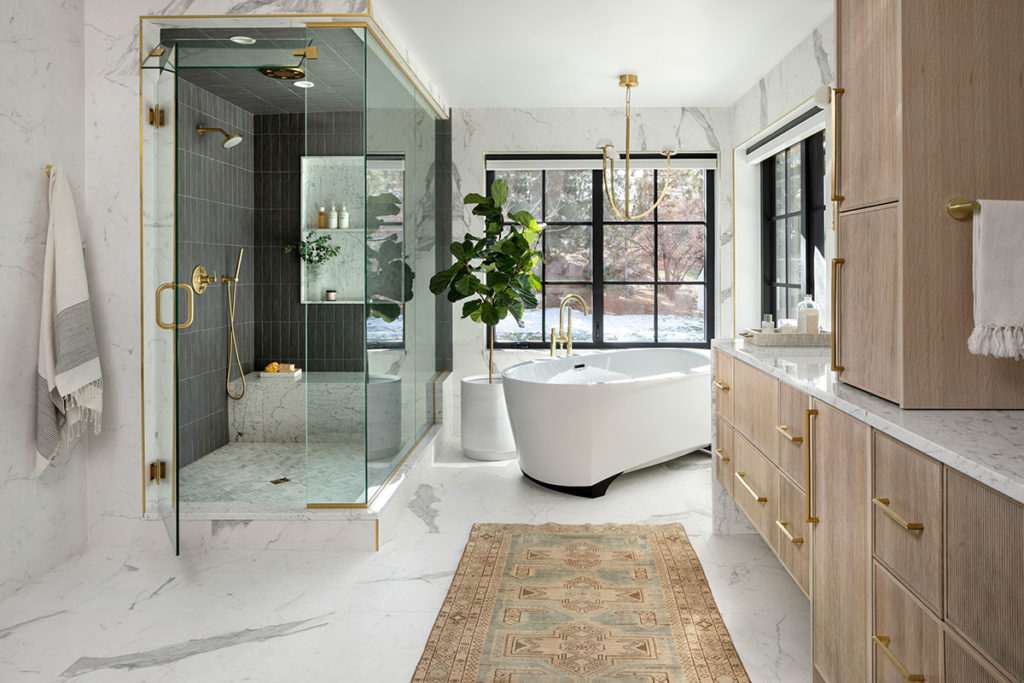
Health and wellness features can reflect the market and aspirations of builder target markets. Different things will resonate with different buyers, from spa-inspired wet rooms and home yoga studios to master-planned communities with abundant outdoor programming.
9. Emotional Design
Architecture can create forms, proportions, and spaces that are pleasing to the eye and the senses. Homes that evoke feelings of cozy and warmth are popular Zillow searches, and the company predicts this to continue into 2025. Flexible spaces in models can help buyers visualize daily rituals, routines, and activities that are important to them, reflect their values, and establish a feeling of security and predictability. A dedicated coffee bar off the kitchen, an alcove off the living room that serves as a reading nook, or a meditation room are a few examples of merchandising spaces to reflect home plan adaptability in personal ways.
10. Building Community
Homebuyers buy a lifestyle as much as a home. Amenities and programming can connect neighbors in unique ways, create shared moments, and build community.
A third place like a neighborhood coffee shop, cafe, or tap room offers a convenient spot for residents to gather that’s close to home (bonus points if it’s walkable or bikeable). Local culture can inspire amenities, events, and retail to ignite buzz and market appeal, create differentiation, and bring people together.

Architecture Trends Takeaways
Home design is moving toward the creation of highly personalized spaces that are meaningful and authentically reflect homebuyers’ values and aspirations. Elevations and floorplans are getting cozier and warmer, incorporating timeless design elements with modern layouts and flexible spaces so buyers feel secure, comfortable, and wonderfully at home.