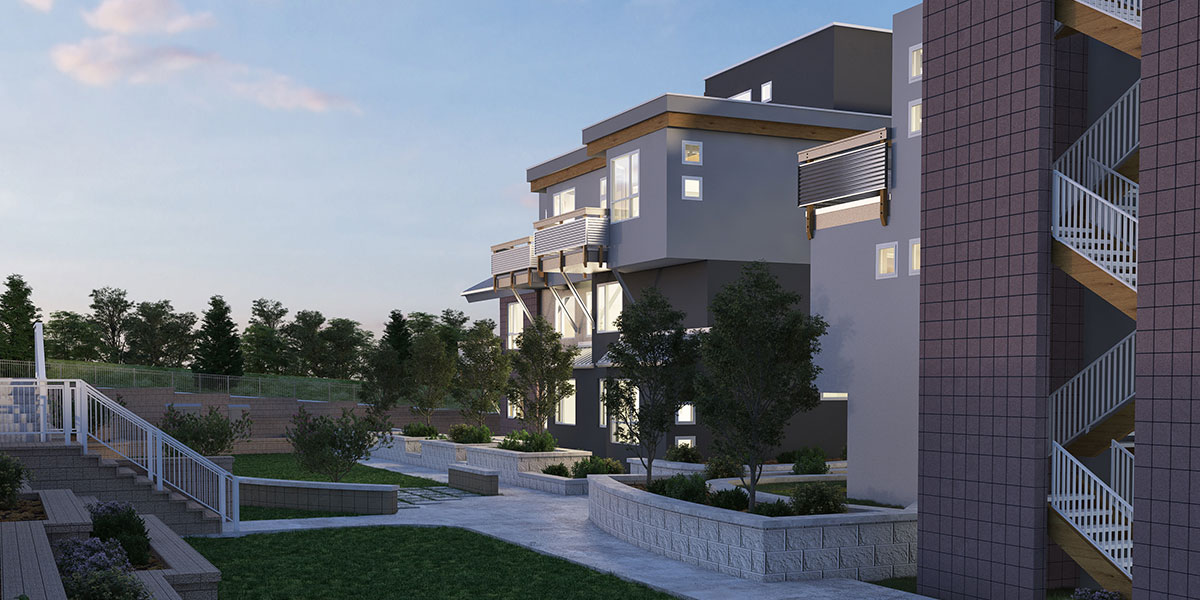
In Part Two of our Attainable Housing blog series, we’re shining a light on building code regulations.
If you missed Part One, we discussed how land costs and residential zoning have impacted Colorado’s high housing prices and low inventory of entry-level homes.
Building regulations are essential and require updates as innovations and improvements are developed. Unfortunately, the costs of builder compliance are inevitably passed on to homebuyers, adding thousands of dollars to the price of a new home.
Table of Contents
- How Code Requirements Challenge Attainable Housing
- Construction Defect Laws Hamper Colorado’s Higher-Density Housing
- What Comes Next
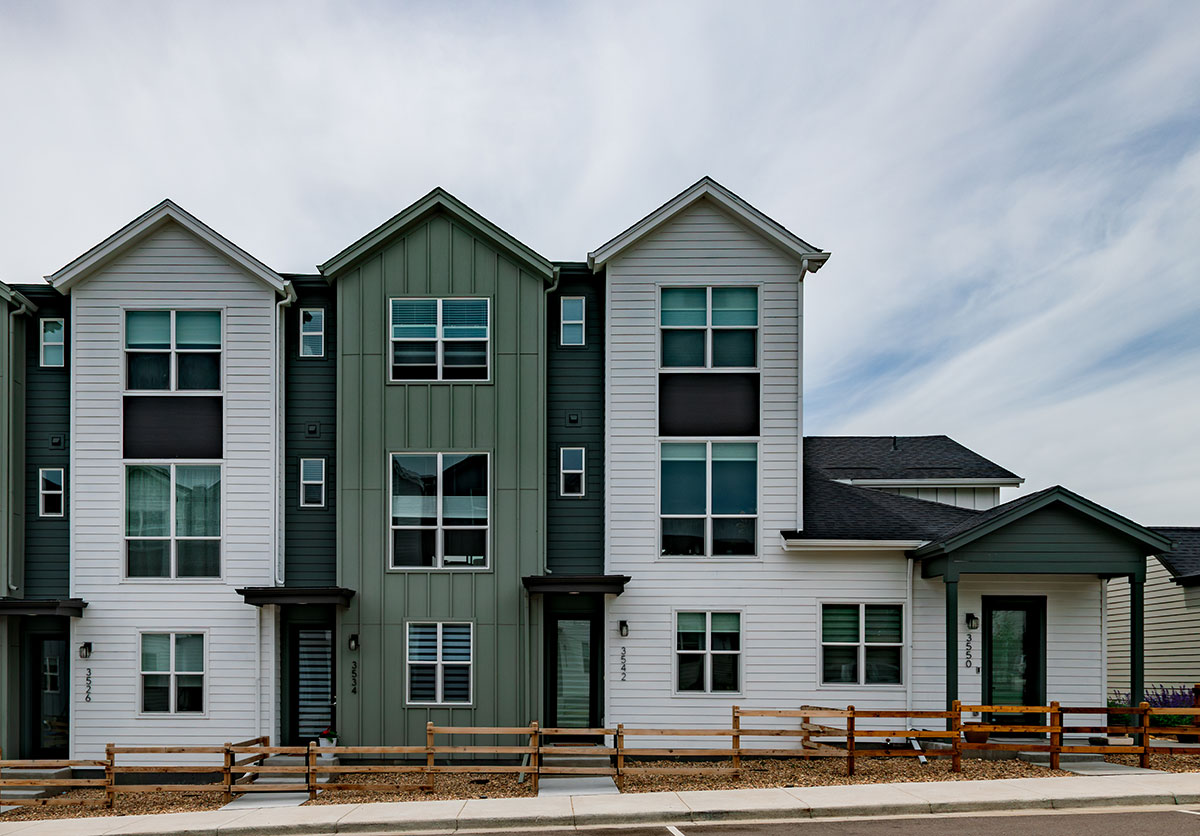
How Code Requirements Challenge Attainable Housing
A pragmatic approach to code updates and their frequency can help prevent higher construction costs that inevitably get passed to the home buyer. Here’s a closer look at how they impact homebuyers and attainable housing.
ICC Updates
Any building code updates that improve the safety and stability of a structure are essential. Building code changes beyond that can add incremental costs to builders. To stay profitable, builders must pass these compliance costs to buyers in the form of higher home prices.
Fire Safety
The devastating effects of wildfires have been felt throughout Colorado and around the country and fueled productive discussions about fire mitigation and safety. However, some well-intentioned proposals yield little benefit while adding to the price of a new home.
Fire sprinkler systems are an example of this. A residential sprinkler system can reduce the spread of a fire that originates inside a home, but it can’t protect it from a severe wildfire. According to the National Fire Sprinkler Association, the average cost to install a residential fire sprinkler system is $2,700 for a 2,000-square-foot home. From our own experience and in speaking with local builders, the actual cost is closer to $5 per square foot or $10,000 for a 2,000- square-foot home. It also increases plumbing requirements and inspection costs that would trickle down to the homebuyer.
Sustainability Requirements
Colorado’s statewide adoption of green building code language (HB 22-1362) is an effort to curb greenhouse gas emissions in the new home construction lifecycle. A U.S. Department of Energy report estimates these new energy-efficient regulations would save Coloradans an average of $156 annually. But these requirements also create additional material and labor costs and further increase the price of a new home. It’s too early to determine average increases, but initial estimates from the Common Sense Institute suggest between $6,450 and $22,352 per home. Full electrification also requires significant infrastructure investment by local utility companies, which will then pass along these costs to Colorado consumers.
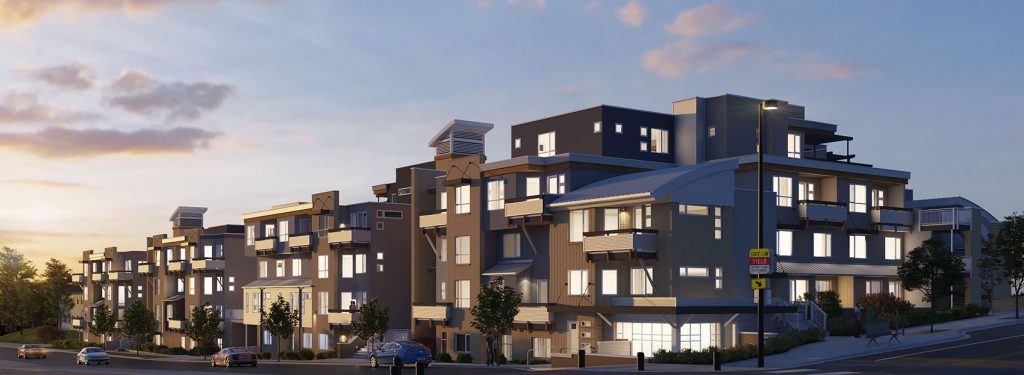
Construction Defect Laws Hamper Colorado’s Higher-Density Housing
Finally, we can’t talk about attainable housing without mentioning the state’s construction defect laws’ effects on new development. The 2007 passage of HB 07-1338 effectively eliminated new condo construction in Colorado. Developers and builders face a high risk of frivolous lawsuits from perceived construction defects. If developers pursue a high-density project, they must incur much higher costs for financing and insurance in addition to more consultants’ fees, all of which will increase the price of a new home.
A condo is often an entry-level home, and fewer of them on the market remove a path to homeownership for many Colorado residents. The current legislation also hampers mixed-use development that is often desired by cities and towns to improve walkability, traffic patterns, and quality of life. Tort reforms are necessary to address these issues, however, so far the state legislature has been unwilling to include them in recent legislation.
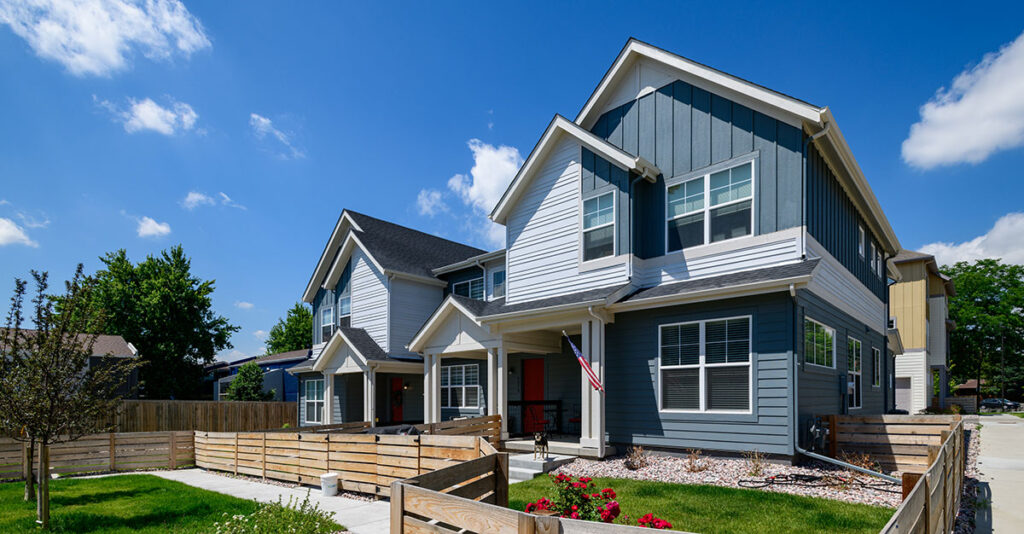
What Comes Next
Stay tuned for the third part of our attainability series in which we’ll talk about how architecture and design requirements impact missing middle housing construction.
For more information related to this topic, we invite you to read more on our blog:
- Why Is Land Development Expensive in Colorado?
- One Way to Make New Homes More Affordable? Address Housing Design Guidelines


