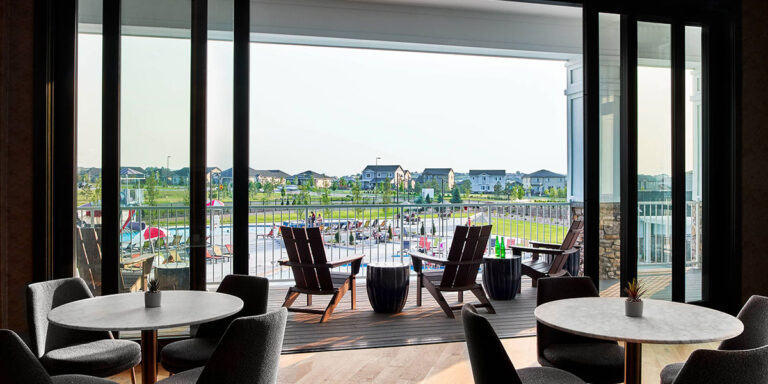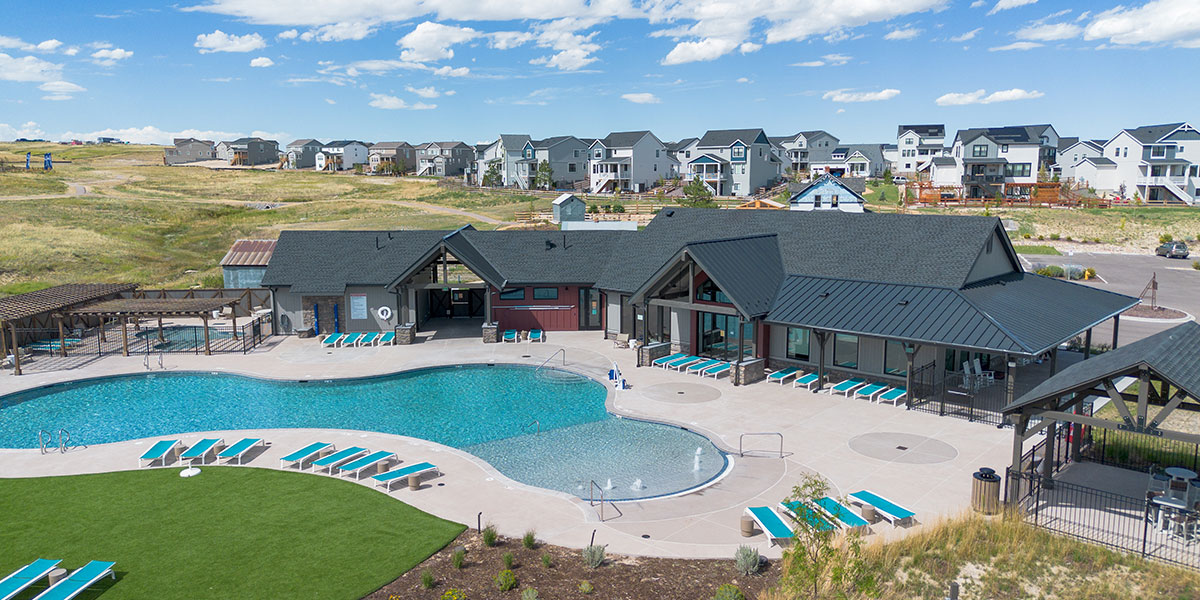
A clubhouse amenity brings homeowners together and cultivates a sense of belonging, and it doesn’t have to be large to enhance community life. It’s also a problem solver. In a master-planned community (MPC), a smaller clubhouse is less expensive to build and maintain while offering lifestyle-rich benefits. It reduces monthly homeowner’s association fees and may improve housing affordability. And for a community that’s outgrown its original amenity center, a smaller clubhouse provides a second gathering space for alternative or unique programming.
Here, we’re sharing key considerations for planning a small community clubhouse and two recent KGA projects as case studies.
Table of Contents
Tips for Right-Sizing Your Community Center
What size is the right size? Knowing your market is critical to right-sizing a clubhouse amenity effectively. In addition to the number of homes it serves, a clubhouse must factor in the following:
- Target markets
- Buyers’ lifestyle expectations
- Affordability
- Community branding
- Region and climate
In our experience designing smaller clubhouses, 3,000 square feet is a good starting point because it provides enough space for a variety of features. In comparison, the square footage of a more traditional community clubhouse is easily double that and up to 10,000 square feet or more for larger MPCs.
A smaller clubhouse may also be the answer to MPCs that have outgrown their original amenity. A pared-down community gathering place with different programming can offer additional and unique experiences the main clubhouse can’t accommodate.
Three must-have clubhouse features
- One pool that serves a variety of interests based on community makeup, like a beach entry and water feature for kids or a Baja tanning shelf for sunbathers, and lap lanes for swimmers
- Pared-down fitness center with an edited assortment of machines and equipment
- A smaller community space designed to evoke a cozy living room feel (this would act as more of a third space for gathering instead of large community events and party spaces)
Emerging or nice-to-have clubhouse features
The Zoom room
This is a space with a closed door for private virtual and in-person meetings. The interior decor is thoughtfully appointed and includes visually appealing walls as backgrounds for video meetings. This space can also double as a private study space and homework area.
Wellness space
A dedicated private space provides convenient health and wellness features within the community. Local professionals like massage, acupuncture, or reiki therapists can rent the space to offer unique services to residents.
Case Studies: How Two Small Clubhouse Designs Complement Their Communities
Here are two recent KGA projects that include many of the small community amenity design ideas above.
The Homestead at Independence
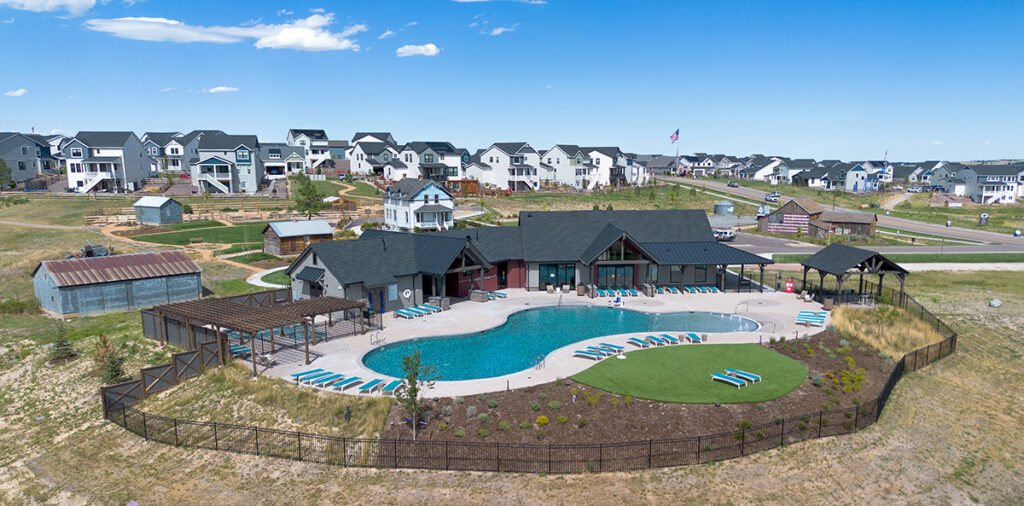
Conceived by developer Craft Companies, the Independence master-planned community targets young families and first-time buyers in Elizabeth, Colorado. Our design of The Homestead, the community’s 3,354 SF clubhouse, complements the project’s values of conservation, restoration, and sustainability.
Clubhouse exterior architecture and materials reflect the homestead theme of the community. Additive architecture was integrated in the design to reflect how the property’s older structures would have been renovated and modernized over the years.
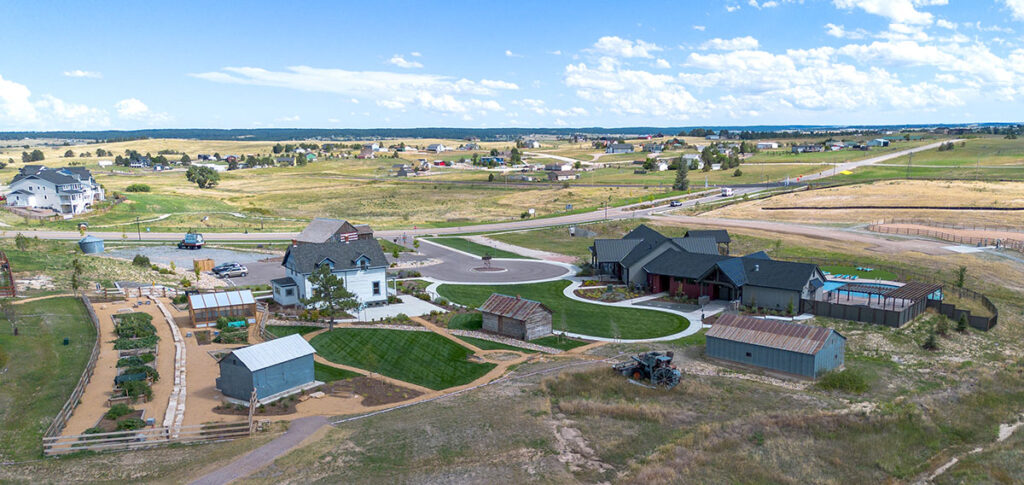
The clubhouse features a fitness center and small gathering space with convenient pool access. The pool offers a beach entry and plenty of space for sunbathers, while a separate kiddie pool is fenced and gated for safety.

A smaller clubhouse is also in line with the community branding. Independence promises a sense of adventure and exploration that comes naturally with its homesteading theme. Outdoor amenities like community beehives, vegetable gardens, parks, and fire pits provide high-value experiences at a lower cost for young families and first-time buyers.
The Ascent at Colliers Hill
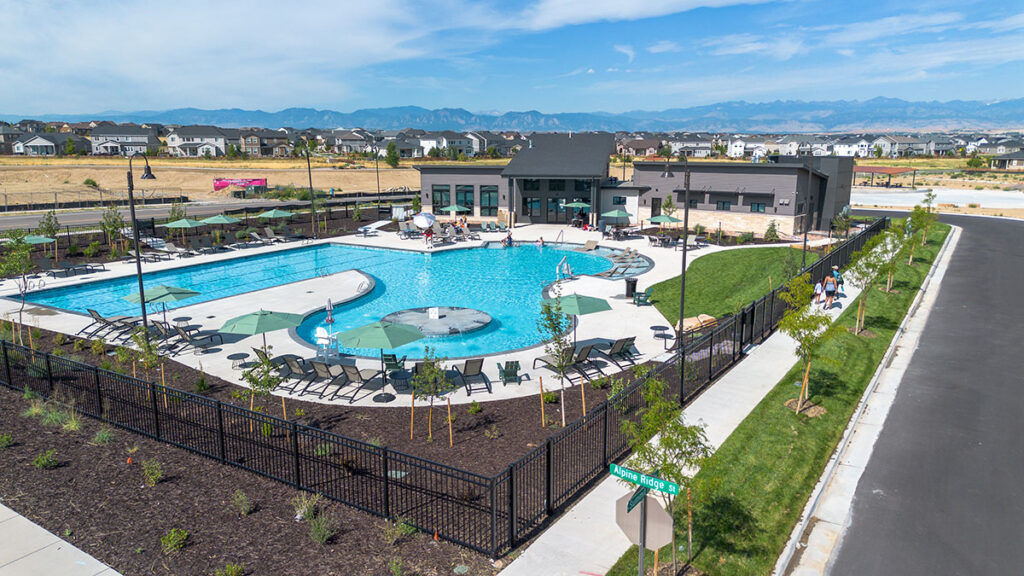
Erie’s Colliers Hill by Raintree Investment Corporation had outgrown The Overlook, its original 6,500 SF community clubhouse. Our design of The Ascent, a second smaller community amenity, offers different and complementary programming and solves some challenges residents experienced at the original clubhouse.
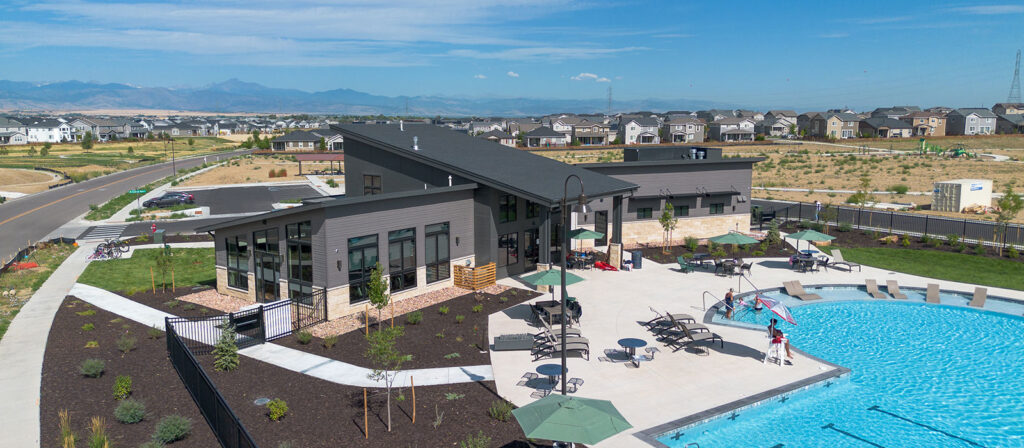
At 3,084 SF, The Ascent clubhouse calls up a more intimate and bespoke community gathering experience. Its architecture visually connects to The Overlook with unique features that carve out a distinct visual identity.
In contrast to the larger meeting spaces at The Overlook, the interiors at The Ascent are scaled down. A warm color palette and layered textures evoke a living room or cozy cafe feel. Banquettes near the clubhouse’s entry act as informal third places, work spaces, study areas, and semi-private Zoom rooms.

Clubhouse programming also addressed resident feedback. To reduce overcrowding during popular workout times, The Ascent’s new fitness center specializes in cardio machines while The Overlook focuses on weight training equipment.
The pool at The Ascent spreads out the various water and swim activities in the community as well, offering both family swim and recreation as well as a small lap swim area. It was designed to ease crowding at the original pool, which is extremely popular.
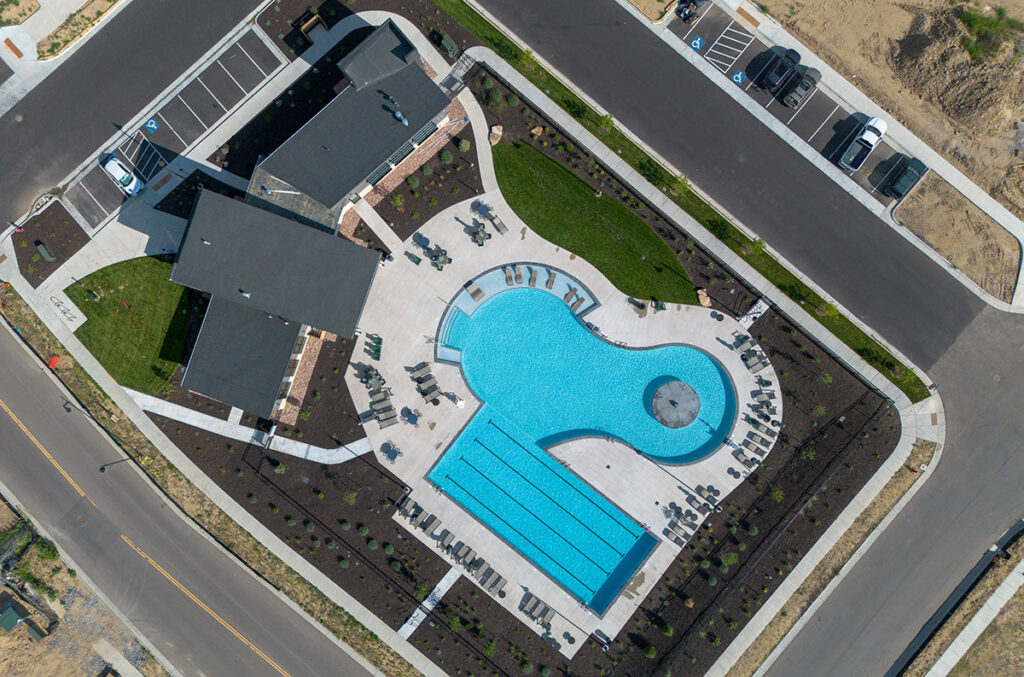
Building Amenities Buyers Want
When it comes to figuring out the scope of MPC amenities, knowing your market is key. Your research will guide clubhouse size and programming, along with other factors like regional considerations, community branding, and targeted price points.
For further reading, check out our blog for additional information on amenity planning and design:
- Community Design and Architecture: Creating a Quality Lifestyle Homebuyers Want
- New Home Community Amenities With Evergreen Appeal
- Does Your Community Need an Amenity Center?
If you’re interested in learning more about KGA’s services and capabilities, please contact us to discuss your project.