New communities sell a lifestyle as much as a new home, and amenities can create differentiation from other new developments and the resale market. While amenity selection largely depends on costs, no one size (or design) fits all communities. This leaves a lot of room for creativity!
Here, we’re sharing community building design ideas that can work for a variety of project budgets.
Table of Contents
- Authenticity Attracts
- Health and Wellness
- Flexible Design
- Creating Community Amenities With Lasting Appeal
Authenticity Attracts
Amenities should make sense for a community’s targeted buyers and marketing, reflecting its various buyer segments’ interests and lifestyle aspirations. When planning your projects’ amenities and programming, get started with these questions:
- What’s the community’s story and branding?
- What type of lifestyles does the community inspire?
- Aside from home preferences and budget, what’s most important to the community’s targeted buyers?
Design authenticity casts a wide net for community amenities. Enjoy the creative freedom and have fun with it! Amenities can complement or highlight assets the site offers, like hills, views, and bodies of water. What’s the region known for? An amenity can highlight elements of local culture or tie into regional history or folklore. Collaborations with outside vendors on events are often popular. Focus on featuring local businesses and restaurants to establish a hometown feel.

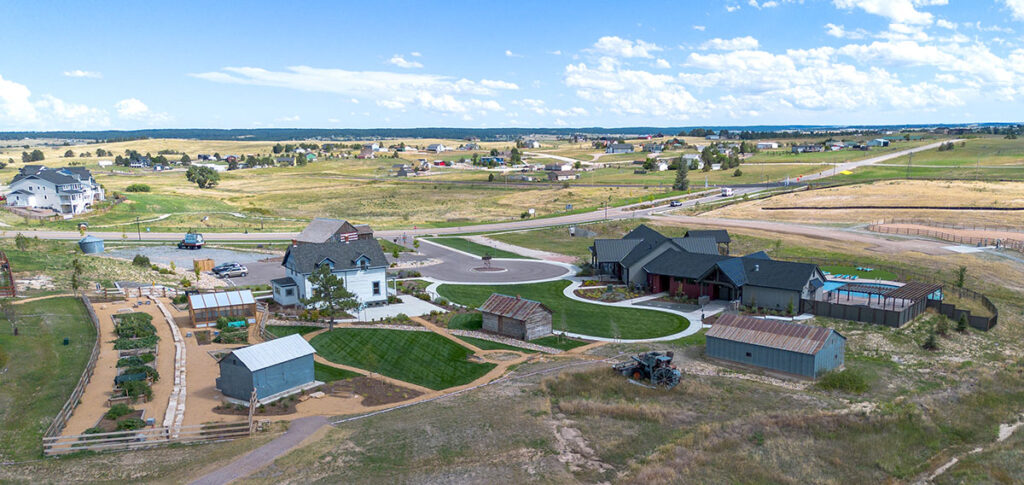
Our design of The Homestead Clubhouse at Independence in Elizabeth, Colorado, reflects the master-planned community’s values of conservation, restoration, and sustainability. Situated among several of the property’s original structures, now thoughtfully restored, the clubhouse features exterior architecture and materials to complement the adventurous and agrarian theme.
Simple features can be a home run if they complement the community’s aesthetic and appeal to homebuyers’ interests and stage of life. Even better, it doesn’t have to cost a lot of money to execute. For example, a community with a small lake can feature a stone-skipping area with signage and a surrounding landscaped area with small, native flat stones that get regularly replenished. Can you imagine a parent teaching their child that special flick of the wrist? With a compelling narrative and branding, you can create your community’s authenticity.

Health and Wellness
As homebuyers prioritize their health, they want the places they live to provide convenient access to local resources, recreation, and social connections.
Physical Wellness
Fitness and exercise amenities are expected from homebuyers, but which ones will truly make your community stand out? The traditional community building features like fitness centers and pools continue to be popular. Make them stand out by integrating theming and thoughtful touches that align with the community’s branding. Walking trails are always a good idea—make them great (and frequently used) by creating a trail system that connects to neighborhood destinations.

Leverage your market research to understand the fitness and outdoor recreation landscape where you’re building. What’s popular among your target markets and in the region? Depending on what you discover, some special-interest options may include:
- CrossFit gyms
- Indoor-outdoor fitness studios
- Putting greens
- Yoga studios
- Paddle board docks
Exercise can also be a social activity. Consider spaces that encourage physical movement that people can enjoy with neighbors:
- Pickleball courts (strategically placed to mitigate noise)
- Bocce ball courts
- Bench swings
- Small green spaces for lawn games
Amenities for Social and Emotional Well-being
Amenity design should inspire social connections and instill a sense of belonging to residents. The third place – a local space people can regularly access that is separate from home and work – creates an authentic hometown feel. (Bonus points if it’s within walking or biking distance.)

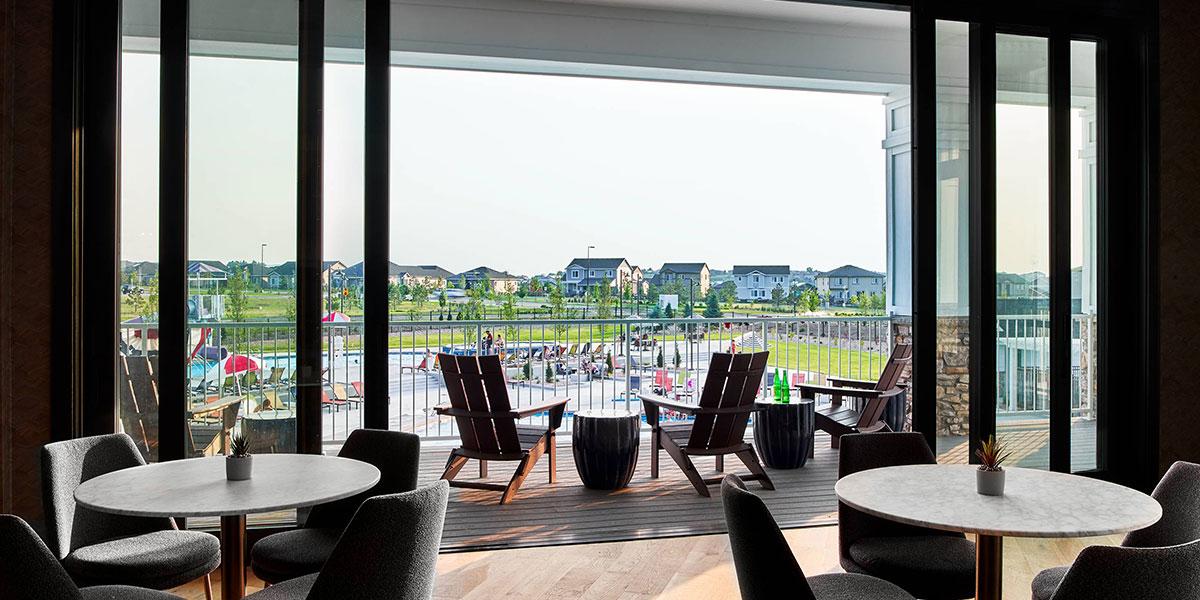
With proper design and some creativity, a clubhouse can become a community’s third place. Clubhouse interiors can be designed with zones and flexible spaces to serve a variety of purposes. Social kitchens, diverse seating types, and zone-specific lighting can accommodate multiple activities, including get-togethers, co-working, game nights, clubs, kids’ study areas, and more.
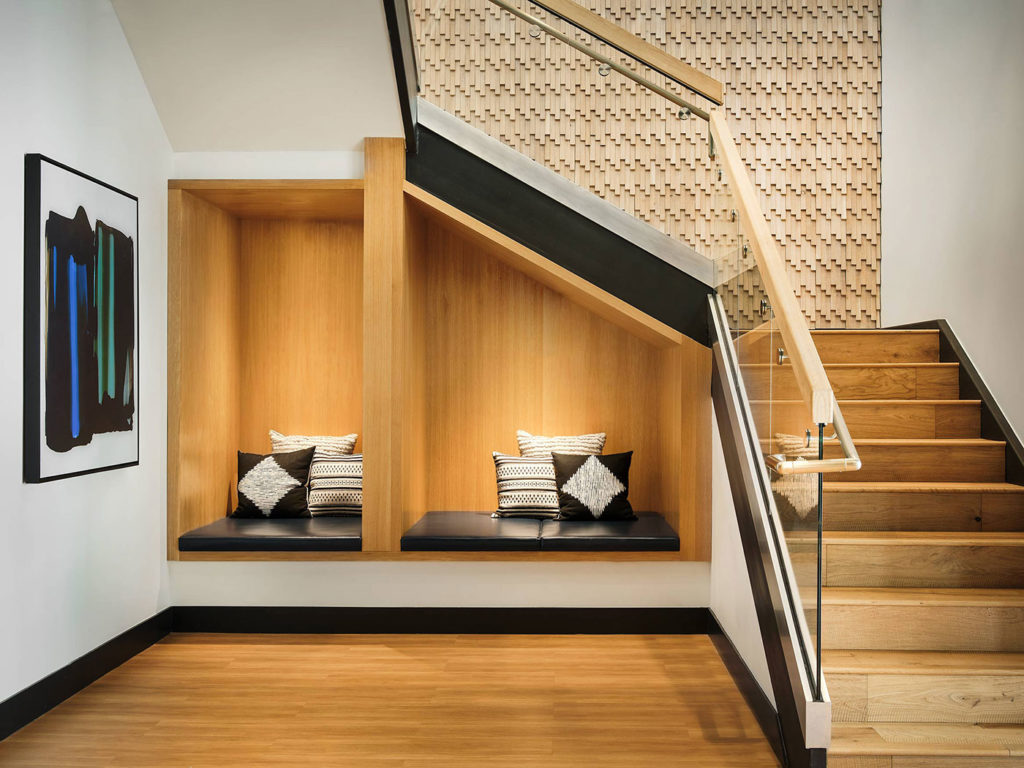
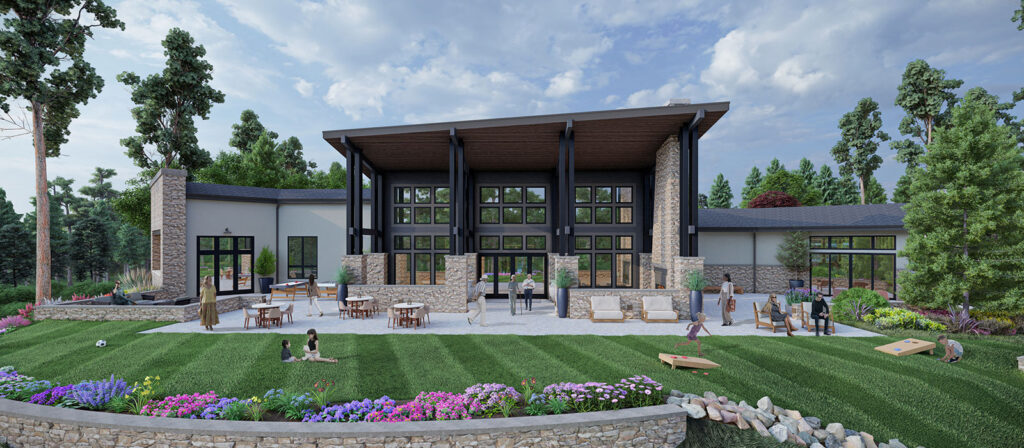
The areas surrounding the clubhouse can also be activated with outdoor living areas to encourage more social opportunities. The KGA team designed the clubhouse at Heirloom in Parker, Colorado, with an adjoining outdoor living space with a pergola and multiple seating areas for an intimate feel. A few ideas for outdoor elements include:
- Outdoor kitchens or grills
- Shaded areas
- Dining tables and chairs
- Lounge areas
- Fire pits

Simple features, when done thoughtfully, make a big impact. Activate smaller outdoor spaces with pocket parks, shaded areas with lounge chairs, and outdoor misters during the summer. Another amenity type that’s gaining traction (and is relatively inexpensive) is a designated space for mindfulness and mental health. Encourage residents to ditch their screens in favor of digital detox time on a meditation deck, yoga yard, or near relaxing water features.


Flexible Design
Traditional amenities are still popular, but it’s time to rethink their function and adapt to residents’ changing needs. Make them multi-functional to maintain construction and operational costs and keep HOA costs manageable.
As we mentioned above, clubhouses can become third places that are comfortable destinations to be active in the community, away from the home and office. Clubhouses with diverse seating areas and furnishings can become kids’ study areas or work-from-home niches. Social kitchens invite gatherings, events, and impromptu get-togethers. Keep sightlines open for a cafe or public house feel.

Pools are on many buyers’ must-have lists, but they’re enjoyed differently depending on age and interests. Consider retooling them with multi-functional areas to keep residents happy and HOA costs manageable.
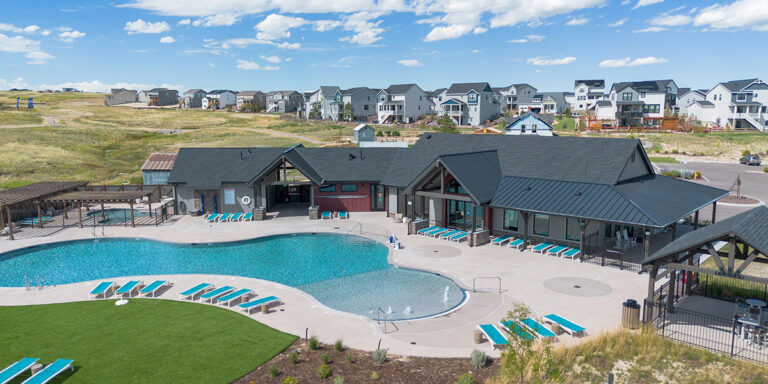
Depending on the targeted buyers, the pool can include multiple zones for different age ranges and activities. At KGA, we help clients optimize outdoor areas as much as possible. Our design of The Ascent at Colliers Hill includes one outdoor pool that accommodates children and adults with multiple zones for recreation, relaxation, and exercise.
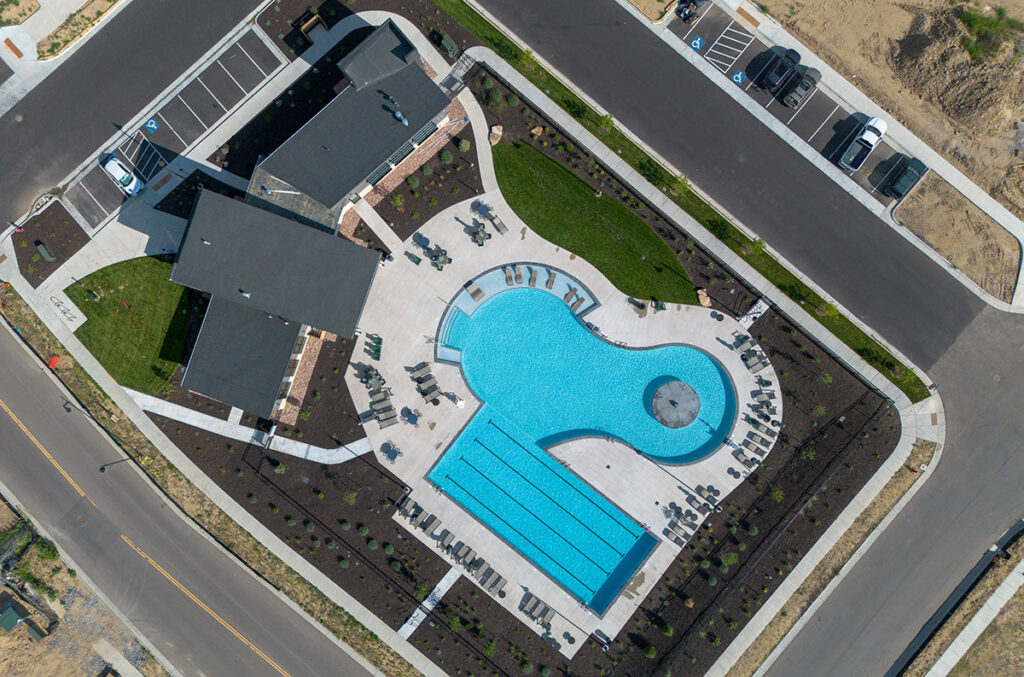
Here are a few features to consider:
- Lap swimming lanes
- Zones for aqua aerobics
- Baja lounge chairs
- Resort-style swim area
- Interactive water features
Creating Community Amenities With Lasting Appeal
Great neighborhood amenities help sell homes. Like floorplans and elevations, amenity preferences shift as homebuyers’ lifestyles and priorities change. Experienced architects can integrate your project’s vision into a community center design that resonates with your targeted buyers. Get in touch with us to discuss your next project.