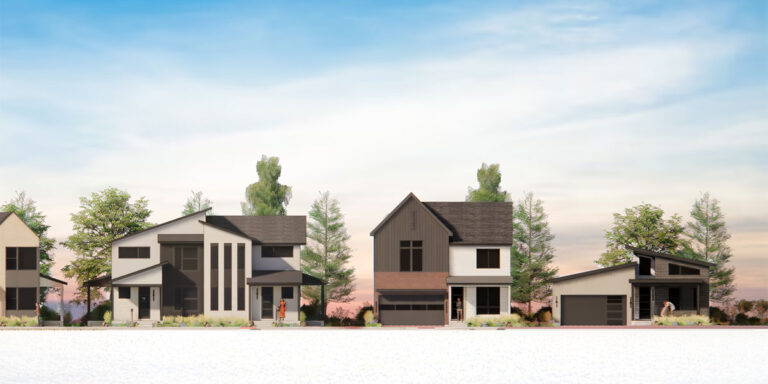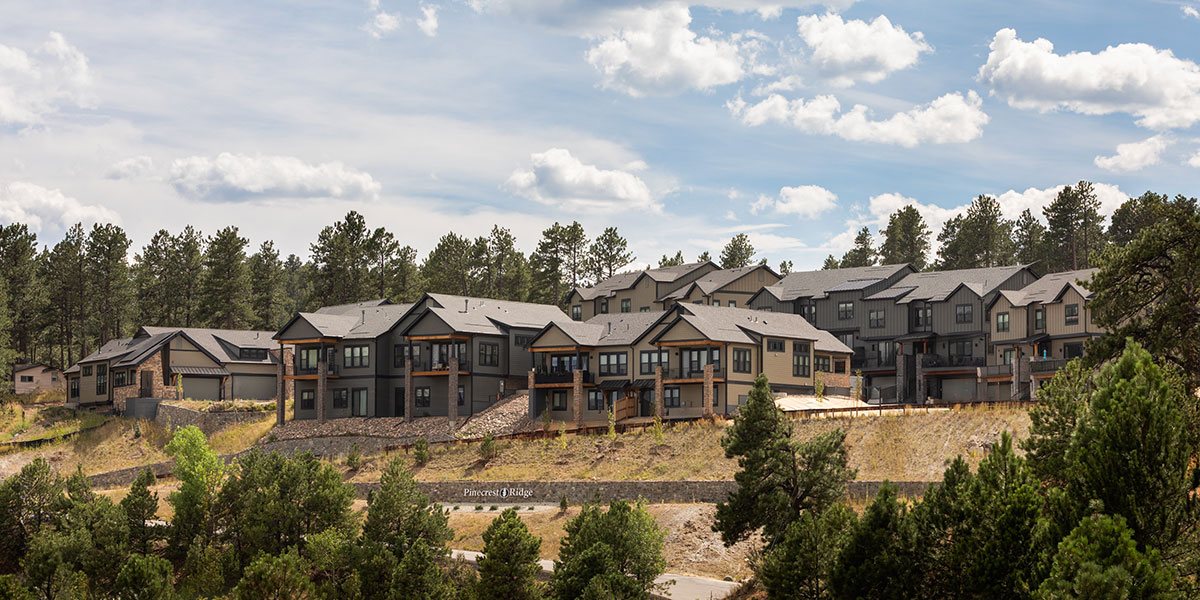
Stepping into 2026, we’re seeing residential architecture adapting to a clear shift in priorities. As homebuyers come to terms with market realities, they’re moving toward homes that make better use of space, are more efficient, and stand the test of time. Authentic design rooted in place, more personalization, and emotional comfort are replacing excess square footage and one-size-fits-all solutions. Here are the ten home design trends we expect to see in 2026 and beyond.
Table of Contents
- 1. Authentic Design
- 2. Right-Sizing Reigns
- 3. Housing Diversity
- 4. More Home Personalization
- 5. Light & Volume
- 6. Resilient Finishes
- 7. Flex Rooms
- 8. Health and Wellness
- 9. Emotional Design
- 10. Building Community
- Design Trends that Deliver Lasting Value
1. Authentic Design
Designs and communities that foster deeper connections and a sense of belonging continue to appeal to homebuyers looking for homes that feel genuine and purposeful, in context and in tune with their surroundings. Traditional architecture that reflects regional culture, climate, and local materials, highly functional floor plans, and thoughtful details feels more anchored to time and place, offering a sense of permanence and security.
2. Right-Sizing Reigns
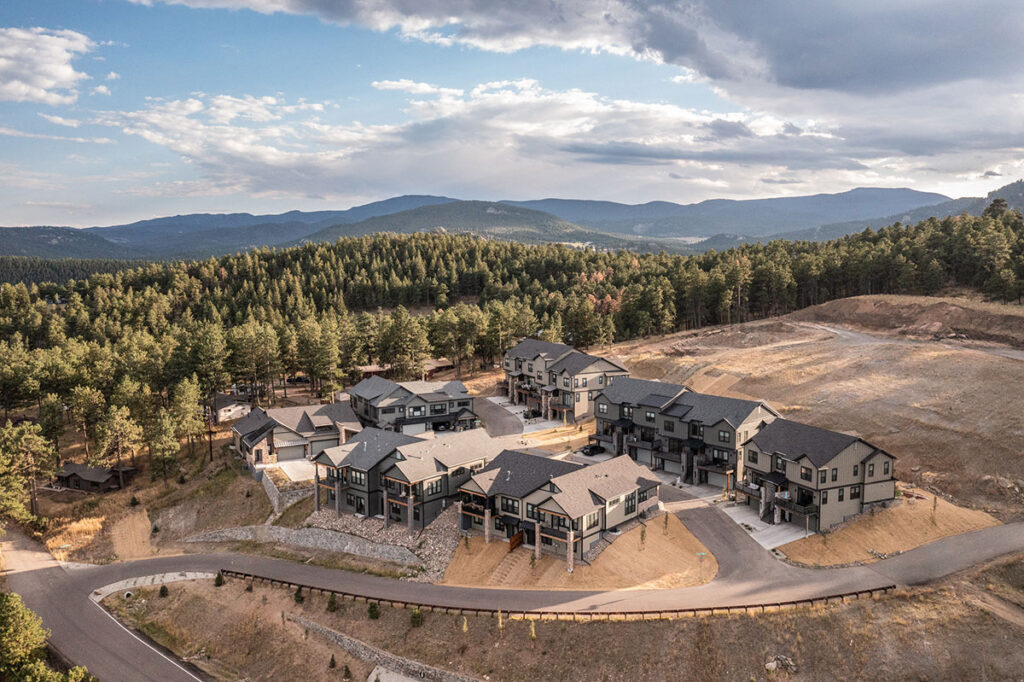
A smaller home isn’t just ok, it’s becoming the ideal across most market segments. Constraints spur design innovation, and here it’s no different with the resurgence of the not-so-big-house. Many buyers are more pragmatic about their home size aspirations, opting for a smaller footprint or right-sizing to accommodate their budgets. Builders and architects are meeting this challenge with thoughtful floor plans that cater to modern and connected lifestyles. In today’s new home designs, buyers no longer need 3,000 square feet for a family of four, gaining the added benefit of less space to clean and lower heating and cooling costs.

3. Housing Diversity
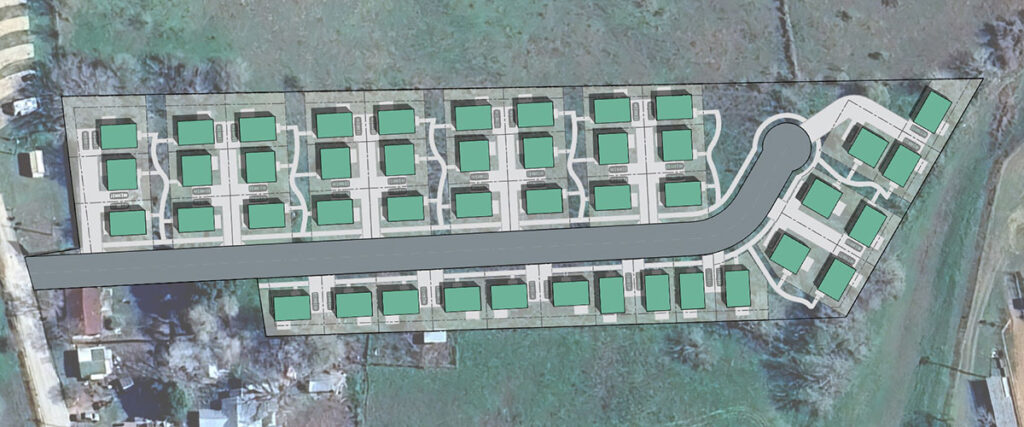
Thinking beyond single-family homes and townhomes to diverse housing options will appeal to more niche buyers with smaller budgets or those looking for something a little different. Paired homes or duplexes, triplexes, and patio homes are a few examples to offer differentiation and more choices. The resurgence of cottage clusters also speaks to this growing trend, bridging the gap between single family homes and multi-family buildings to offer a more intimate community feel in desirable neighborhoods at a lower price.
4. More Home Personalization
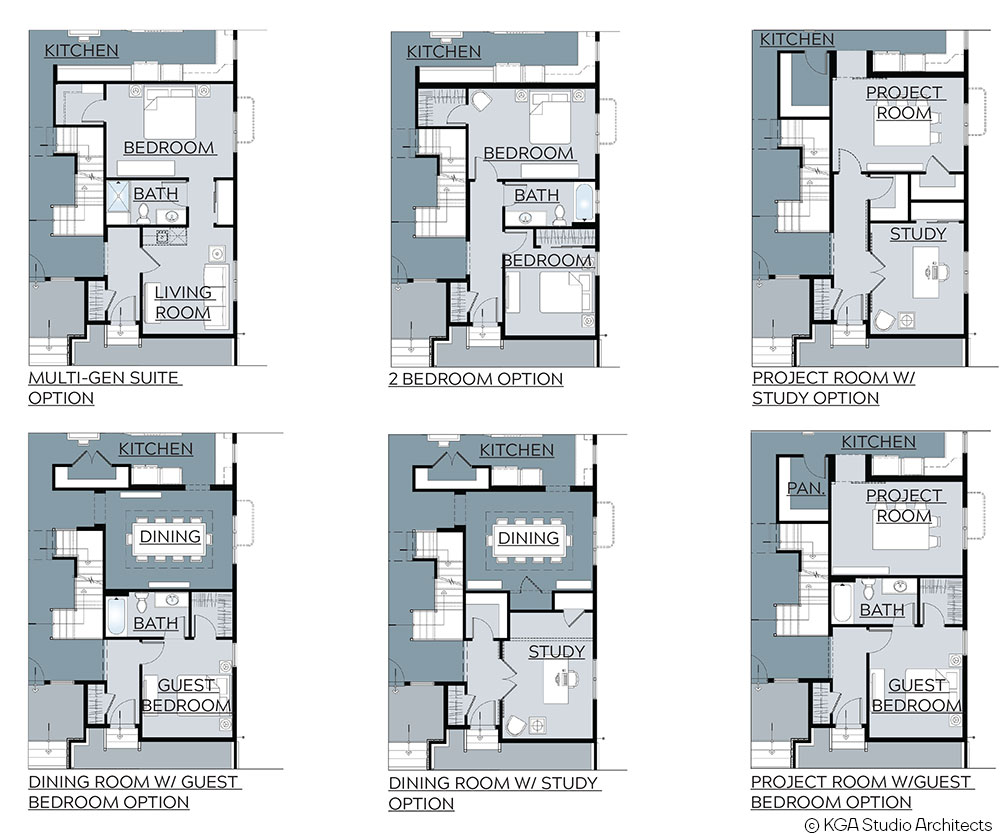
What homebuyers lose in square footage, they’re making up for in homes that are more customized and that meaningfully reflect their personalities and lifestyles. Flexible floor plans, additional structural options, and quality-tiered personalization packages allow buyers to curate homes that feel one of a kind and can adapt to life’s seasons and stages. Presentation and communication of these upgrades and enhancements are essential to creating market differentiation and delivering a memorable homebuying experience.
5. Light & Volume
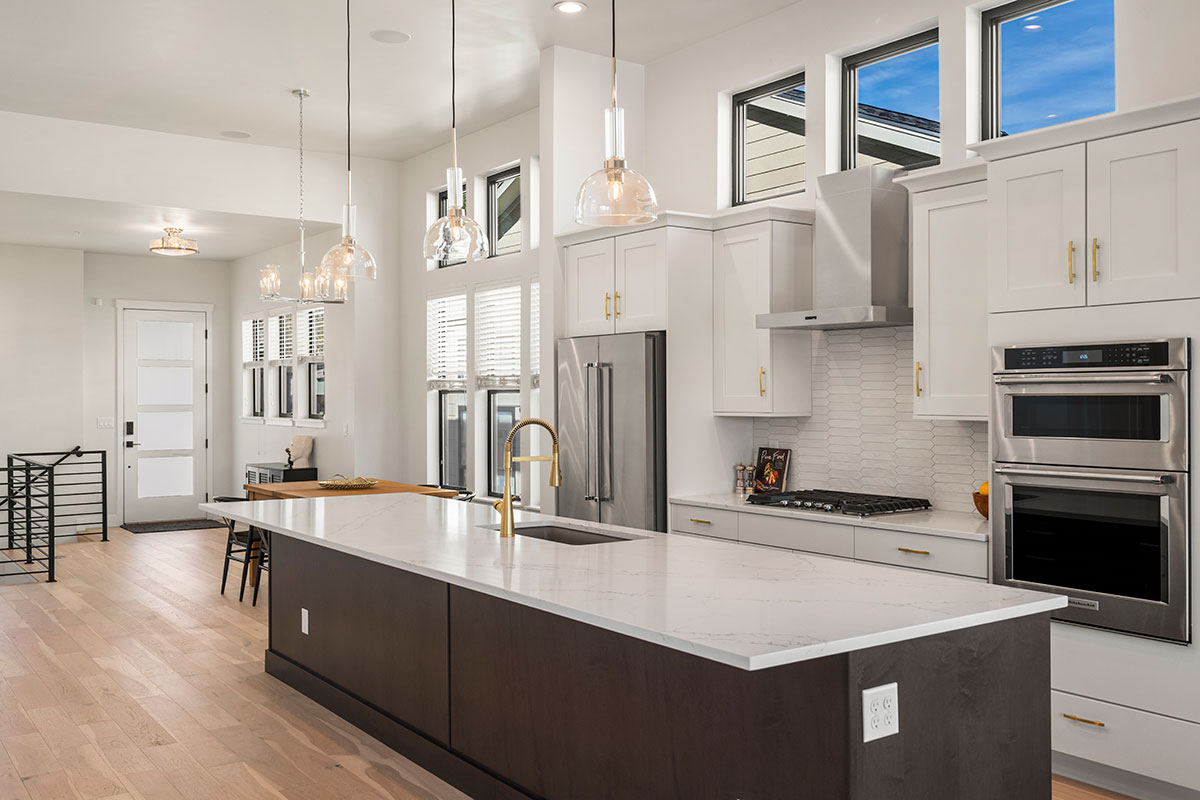
Lots of light and more volume are game changers. As home footprints get smaller, more natural light and higher ceilings let them breathe, appear larger, and feel better to move around in. Make homes stand out with larger windows, higher ceilings, and strategic volume spaces in high-impact areas, like living rooms, kitchens, and primary bedrooms.
6. Resilient Finishes
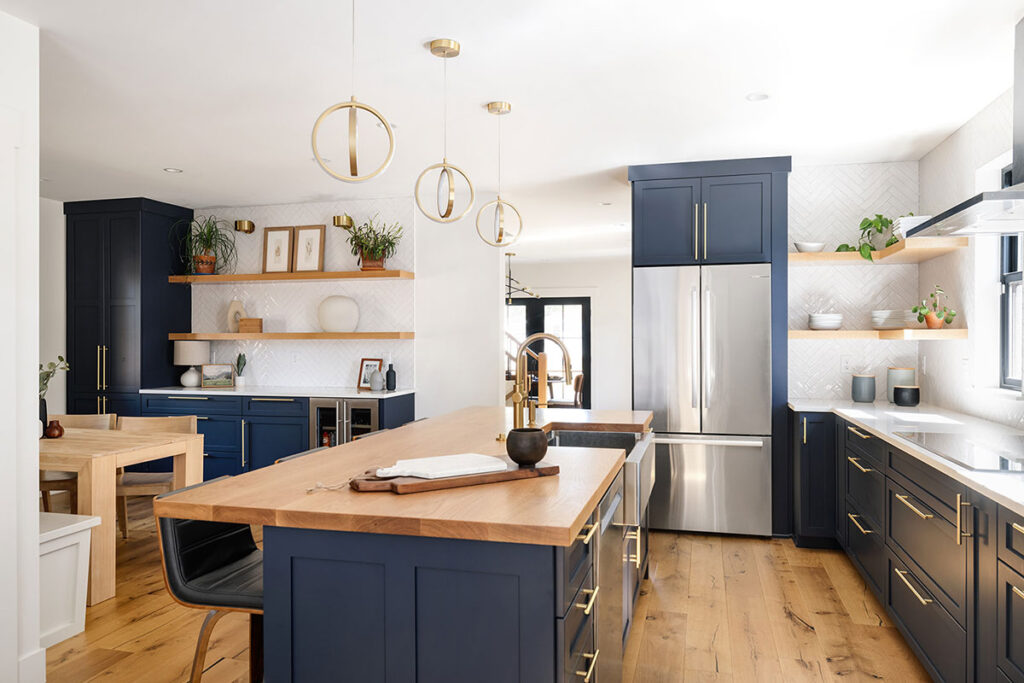
Buyers expect quality and want durable homes that last. They’re buying new construction because they’re not interested in repairs and improvements—every material inside and out should be considered for its resilience, performance, and efficiency for a more sustainable, lock-and-leave lifestyle. For buyers, high-quality materials mean less time fixing their home and more time living their life—a major benefit to buying new construction that should be communicated clearly so buyers can see and understand the value.
7. Flex Rooms
The flex room is the new home workhorse, and builders who get it right will reap the rewards. As square footage gets smaller, flex rooms become multi-purpose rooms, requiring clever design, smart storage, versatile lighting, and unique solutions to suit the spaces’ functions.

8. Health and Wellness
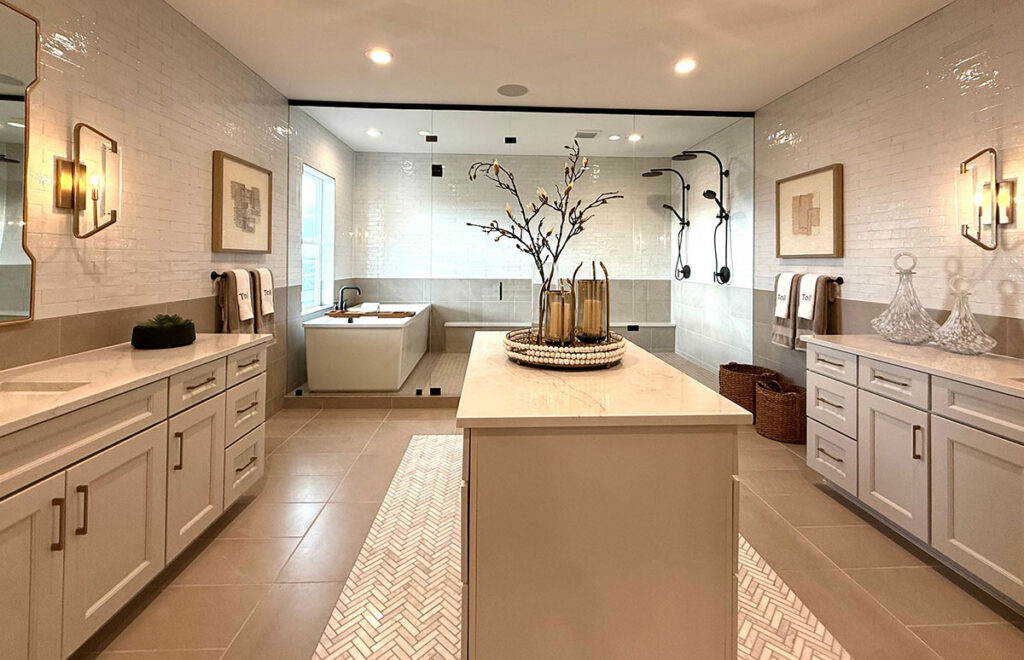
Homes that live well and feel good continue to drive plans that include intentional restorative spaces to retreat, relax, and rejuvenate. Health and wellness features should reflect the aspirations of your target markets. Different things will resonate with different buyers, from spa-inspired wet rooms and home yoga studios to master-planned communities with abundant outdoor programming.

9. Emotional Design
Architecture can create forms, proportions, and spaces that are pleasing to the eye and the senses. Angles become curves, edges soften, and natural materials create meaningful outdoor connections and evoke feelings of warmth and security. Interiors are evolving too, with earthier color palettes and layers of textures that feel like a warm hug.
The comfort of daily rituals, routines, and activities can be created in flexible spaces that reflect buyers’ values and what’s important to them. A dedicated coffee bar off the kitchen, an alcove off the living room that serves as a reading nook, or a meditation room are a few examples of merchandising model homes to showcase home plan adaptability in personal ways to enhance daily life.
10. Building Community
Homebuyers buy a lifestyle as much as a home. Amenities and programming can connect neighbors in unique ways, create shared moments, and foster a sense of belonging.
Third places, neighborhood coffee shops, cafes, or tap rooms, offer convenient places for residents to gather close to home (bonus points if they’re walkable or bikeable). Local culture can inspire amenities, events, and retail to ignite buzz and market appeal, create differentiation, and bring people together.

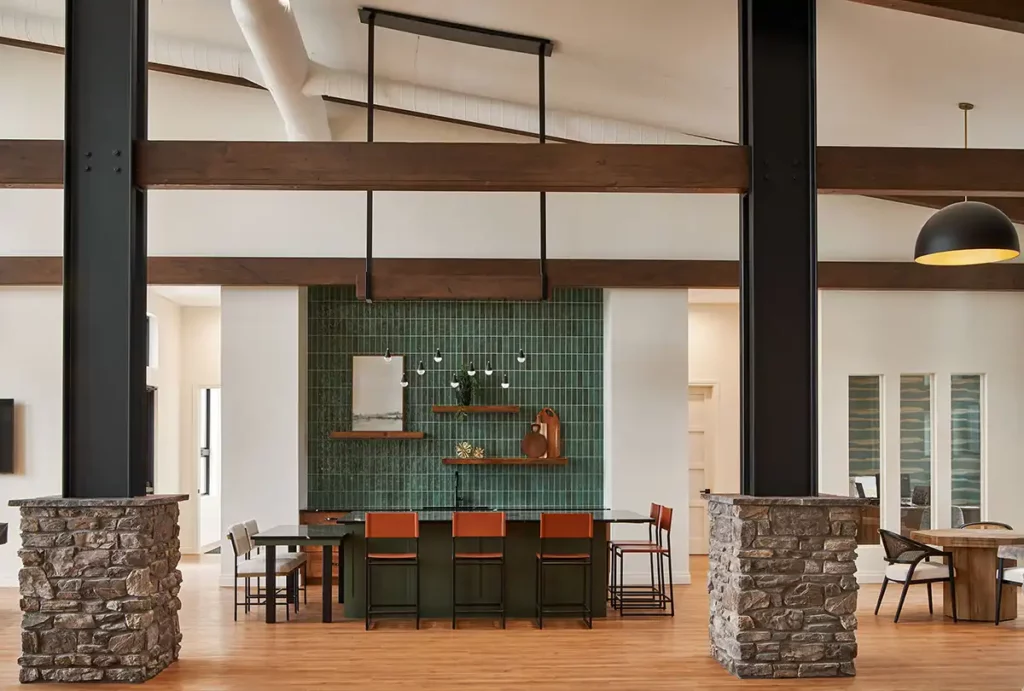
Design Trends that Deliver Lasting Value
Home performance and personalization dominate this year’s home design trends as homebuyers continue navigating housing affordability challenges. Buyers are more laser-focused on the architecture and design features that enhance their lives and last the test of time, with an emphasis on meaningful square footage, space efficiency, and thoughtful details that make life more enjoyable.
Design your next community with an architecture firm that aligns creativity and innovation with market demand. Contact us to discuss your next project.