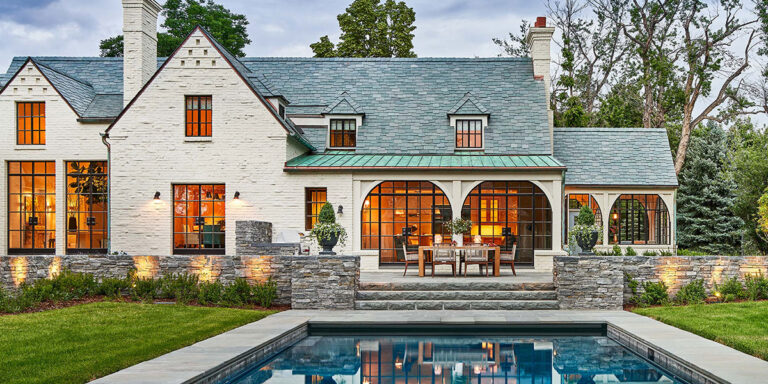
Is it time to say goodbye to your current architect and find one who is a better fit for your project? Finding the right architect can make or break the success of your custom home or remodel. Their leadership in the early design stages affects budget, timelines, construction quality, and your overall happiness with the end result. Here are the red flags to watch for, along with tips on how to find the right architect for your project.
Table of Contents
- 1. Your Architect Designs to Their Vision, Not Yours
- 2. They Produce Vague or Inaccurate Drawings
- 3. They Don’t Provide You With a Communication Plan
- 4. Their Project Management Process is Unclear or Non-Existent
- 5. They Don’t Provide Recent Client References
- 6. They Provide Ambiguous Pricing
- 7. They’re Hands-Off During Construction
- 8. They Don’t Treat You Like a Valued Partner
- Look for These Green Flags Instead
1. Your Architect Designs to Their Vision, Not Yours
It’s every homeowner’s nightmare when building a new home — their architect presents a conceptual design that looks nothing like what they had envisioned. Or, the architect simply becomes an order taker without bringing creativity and new ideas to enhance the project.
It could be a misunderstanding or miscommunication, but sometimes it’s because an architect specializes in or prefers a particular architectural style. Some architects even prioritize aesthetics over everything else. For example, before coming to KGA, a client hired an architect to design his custom home. The initial design had no windows in the living room because the architect said it would not look good from the exterior, completely ignoring the comfort and livability of the space. It sounds wild, but stories like this happen!
Before interviewing architects, review their portfolio to be sure they have experience designing homes in a variety of architectural styles. Ask them how they balance aesthetics with functionality and about their discovery process, or how they go about learning about your lifestyle, design preferences, and project goals.
2. They Produce Vague or Inaccurate Drawings
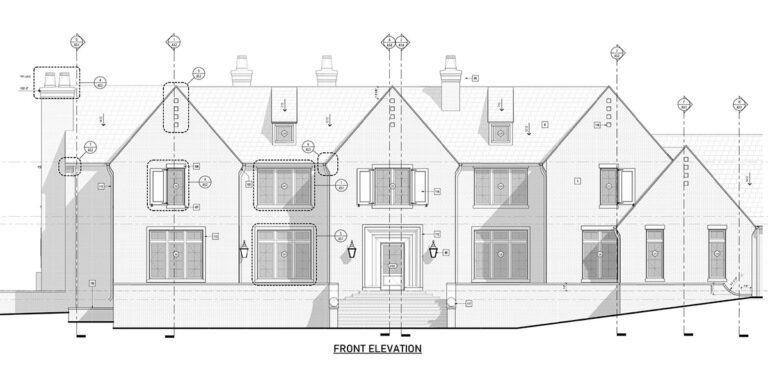
When it comes to architectural expertise, the proof is in the drawings. Low-quality drawings and documentation without proper detail (or too much detail), can leave builders and subcontractors confused on the jobsite. This lack of clarity can cause project delays, work errors, and additional costs for rework and corrections.
Architects without the knowledge of local regulations and building codes may produce inaccurate permit sets that delay approvals. Worst case scenario, portions of the design may require revisions to meet these requirements, causing additional costs and time to the project.
“We had our subcontractor walk through yesterday, and one of the consistent comments was how detailed and clear the architectural plans were. Every subcontractor mentioned how easy it would be to bid and work off the plans.” – The Ahmeti family, KGA clients
3. They Don’t Provide You With a Communication Plan
Is your architect hard to reach, erratic in their response times, or vague in responding to questions and feedback? These may be signs they are disorganized, overwhelmed, and unable to handle your project requirements.
A custom home or whole-house remodel is a major project that requires collaboration, timely design-making, and back-and-forth communication. An architect who doesn’t have an established communication plan in place could result in delays, misunderstandings, mistakes, and unnecessary costs.
4. Their Project Management Process is Unclear or Non-Existent
Your home project, whether it’s a custom build or a remodel, will include a lot of moving parts, decisions, consultants, and interdependencies. If there is an inconsistent project management process (or no process at all!), deadlines get missed, permits get denied, and construction errors occur — all while creating more stress and higher costs.
From day one until the construction phase, your architect should assume the role of project manager. They will lead coordination and communication among themselves and their in-house team, the client, builder, and any consultants needed for the project.
5. They Don’t Provide Recent Client References
Recent clients are one of the best ways to get the scoop on your chosen architect. They were in the trenches with them and can provide real-life details about what it was like working with them.
We also recommend requesting builder references, too. Productive design-build relationships result in successful projects, so try to get a read on how the architect collaborates with the construction team.
Pro tip: Ask clients and builders about a challenge or problem that came up during the project and how the architect handled it.
6. They Provide Ambiguous Pricing
An architect who provides confusing or intentionally vague pricing is a major red flag! Unclear pricing can result in unexpected costs during the project and misaligned expectations about deliverables and payment deadlines.
Architectural design fee structures usually fall into one of four categories: flat rate, percentage of construction cost, cost per square foot, or hourly rate. Architects have their preferred pricing method, and they should communicate this clearly to you in writing, along with a payment schedule.
7. They’re Hands-Off During Construction
Be wary of an architect who says their job is done once home construction begins. If an architect isn’t available to answer a builder’s Request for Information (RFI), it could lead to design interpretation problems on the jobsite that could be different from the approved design.
Changes during construction can and do happen, whether it’s a new idea, pivot in a program, or a surprise issue that crops up in a remodel. A missing architect can leave the homeowner in a tough situation they don’t have the expertise to manage. In some cases, their lack of involvement could even result in construction defects, structural issues, or code violations.
A quality architect should be available to the client and construction team to answer questions and provide clarification to the plans to avoid misunderstandings, mistakes, and the higher costs required to correct them.
8. They Don’t Treat You Like a Valued Partner
An architect who doesn’t involve you in the design process will have a tough time creating a home that accurately reflects your goals and priorities. This is your home — your vision guides the architectural design process, and you deserve to be treated like the valuable team member you are!
“We felt like, together with KGA, we were part of the team that ultimately developed a fantastically creative solution. They were our true thought partners on the project, and that was key for us.” – Tom Fochtman, KGA client
Look for These Green Flags Instead
When researching architects, these attributes and behaviors are indicators that they have the talent, experience, and back-end systems to manage your project:
- Transparent pricing and fee structure
- Architectural project management processes
- Experience designing many architectural styles
- Understanding of the project scope
- Clear project brief and proposal
If you have questions about your custom home or remodeling project, we’re here to help! Contact us for a complimentary consultation.
Ready to Get Started?
Let’s talk! Tell us more about your project. We respond within 2 business days.